

Commercial solar street lights and residential solar street lights serve different purchasing contexts. Start with the site’s lighting coverage, operating hours and service needs, then compare the offered models using the same checklist. Category names alone do not establish performance.
A courtyard proposal may focus on pedestrian routes and nearby windows; a road proposal also needs the applicable traffic and lighting criteria. Rural roads can have demanding requirements too. Use the following checks to turn the site brief into a comparable quotation.
Light Power and Brightness
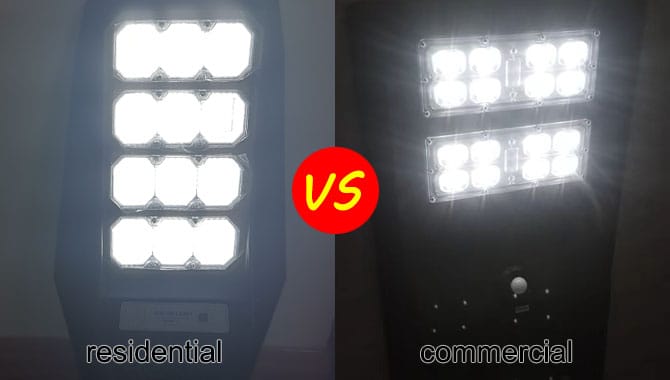
For both residential and commercial models, ask what the advertised wattage describes: actual luminaire input, LED component ratings, or a product label. Request measured input power and complete-luminaire lumen output at the same operating setting and test conditions. Include the programmed dimming stages when assessing performance through the night.
Do not estimate actual electrical power by dividing lumens by an assumed generic LED efficacy. LED-source efficacy and complete-luminaire efficacy are different, because the driver, optical system, and thermal design affect the result. The lumens and wattage guide explains these quantities and the records buyers should request.
Lumens describe total light output, while a lighting calculation shows where the light reaches the road or working area. Compare optical distribution, maintained illumination, uniformity, and glare at the proposed mounting height and spacing. A commercial label does not automatically mean higher or more useful illumination.
System Voltage
Record the nominal battery voltage and the panel, controller and LED-driver operating ranges for each model. Check that the proposed components are electrically compatible.
For the same electrical power, a higher voltage means lower current at the same measurement boundary. Review cable sizing and resistive losses as part of the complete system design; voltage by itself is not a quality rating.
Battery Quality
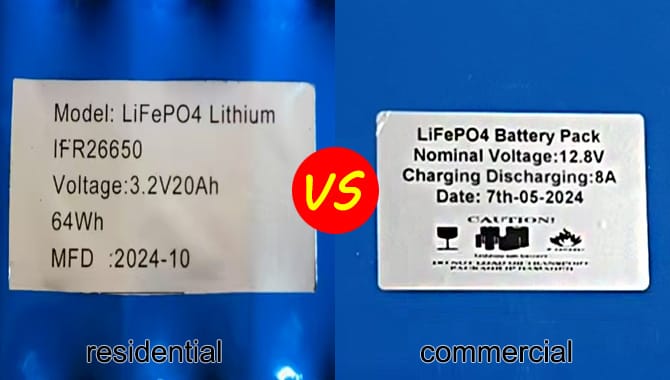
Request the cell manufacturer and model, pack identification, declared new or used cell condition, batch traceability and capacity-test records. If the quotation says “A-grade,” ask for the supplier’s definition and acceptance criteria.
Compare the battery pack and BMS as a system. Relevant evidence includes usable capacity at the specified temperature and discharge rate, charge and discharge limits, protection behavior, and replacement instructions. A LiFePO₄ description identifies a chemistry option, not a verified pack lifetime.
A cycle-life statement needs its depth of discharge, temperature, charge and discharge rates, and end-of-test capacity criterion. Calendar life, cycling results, and warranty coverage answer different questions. Request the applicable reports and written warranty rather than assigning a number of years or cycles to a marketing category.
Battery Capacity
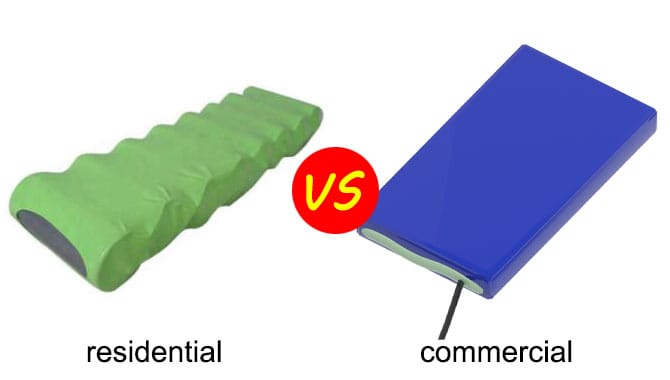
Approximate nominal battery energy is Energy (Wh) = Nominal voltage (V) × Capacity (Ah). Use Wh to compare packs with different voltages, and check the conditions under which capacity was rated.
Nominal energy is not the same as energy available to the lighting load. Permitted depth of discharge, protection limits, temperature, aging, and delivery losses affect usable energy. Compare each model’s usable Wh with its actual daily load and programmed lighting schedule.
Review storage capacity together with panel generation and recovery after low-sun weather. A larger battery can extend backup at the same load only if usable capacity is available and charging is adequate.
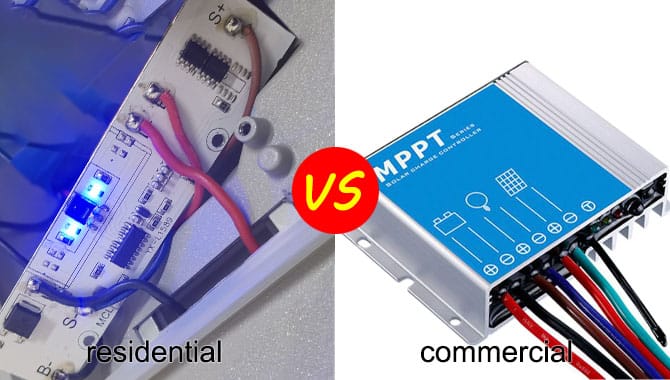
Solar Controller
Record the controller model, charging method, supported operating programs and protection settings. Check these against the actual panel and battery configuration.
PWM and MPPT describe charging approaches. Their suitability depends on the panel and battery electrical characteristics and the operating conditions. Ask for controller input limits, battery compatibility, measured or documented conversion performance, standby consumption, supported lighting programs, and protection settings for the offered configuration.
List local programming, motion sensing and connected monitoring separately in the quotation. A handheld setup remote and a network management service have different equipment and support requirements.
Light Body Material
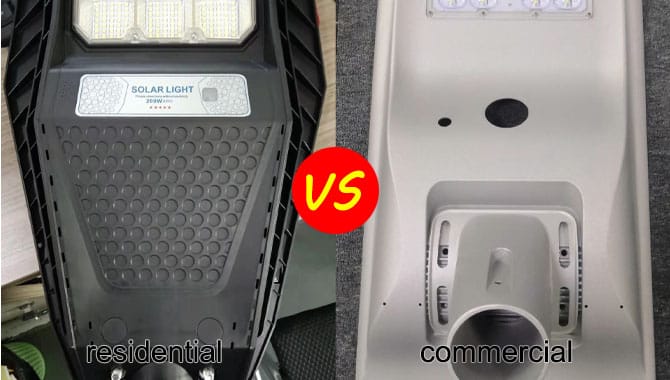
Residential and commercial products may use ABS plastic, aluminum alloy, or die-cast aluminum housings. Compare the actual material specification, thermal design, weathering or corrosion provisions, sealing details, and service access for the site.
Review the luminaire, panel, bracket, pole and foundation as one assembly, including structural and ingress-protection documentation. Compare access to replaceable parts and service arrangements alongside the housing material.
Price and Cost
Ask the supplier to itemise usable storage, panel capacity, optics, project documentation and service support. Identify which items explain a price difference before comparing totals.
Compare quotations for the same lighting output and schedule, autonomy assumptions, quantity, and delivery scope. Separate equipment, poles and foundations, installation, commissioning, replacement parts, maintenance access, and any monitoring fees. Request warranty exclusions, responsibility for labor and freight, response arrangements, and spare-part availability in writing.
For an additional cost framework, the solar versus grid-powered lighting cost comparison explains how to compare ownership costs over a consistent period. It is a comparison of power-supply options, not a price list for residential and commercial product categories.
FAQ About Commercial and Residential Solar Street Lights
What is the difference between commercial and residential solar street lights?
The labels describe intended markets or uses. Actual differences must be established from the offered models’ lighting performance, energy system, environmental requirements, documentation, and service arrangements.
Are commercial solar street lights brighter than residential models?
Not automatically. Compare measured luminaire output and the lighting calculation for the same site and operating mode. Useful coverage and uniformity matter alongside total lumens.
How can I check the real power of a solar street light?
Request measured input watts at each programmed setting and matching test conditions. Review complete-luminaire lumens and the energy budget separately; assumed LED efficacy cannot verify input power.
What battery is best for commercial solar street lights?
Choose a documented pack that meets the project’s usable energy, temperature, protection, traceability, and service requirements. Chemistry and a grade label alone are insufficient evidence.
Where are residential solar street lights normally used?
Products marketed for residential use may be offered for yards, private access routes, and community spaces. Confirm the site’s actual lighting and safety needs; a rural location does not imply low requirements.
Where are commercial solar street lights used?
They may be offered for municipal roads, parking lots, factories, industrial parks, and other public or business sites. The proposed configuration must still satisfy the specific project requirements.
Are commercial solar street lights more expensive?
They may be when the proposal includes greater capacity, more demanding performance requirements, or additional services. Compare equivalent specifications and quotation scope before drawing a cost conclusion.
How do I choose between commercial and residential solar street lights?
Define the area, pole layout, lighting criteria, operating schedule, local sunlight, environment, and budget. Select a documented configuration and service arrangement that meets those conditions, regardless of the category name.
Use One Acceptance Checklist for Both Categories
Use the same acceptance questions for both categories:
| Comparison question | Evidence to obtain for each offered model |
|---|---|
| Will it meet the lighting task? | Measured luminaire watts and lumens, optical file, site layout and lighting calculation |
| Will it support the required schedule? | Daily load, local solar-resource assumptions, usable battery energy and recovery calculation |
| Is the battery claim traceable? | Cell and pack identification, declared condition, capacity and cycle-test conditions, BMS documentation |
| Will it suit the environment? | Operating limits, enclosure and structural documentation, mounting and maintenance instructions |
| Is the price comparable? | Identical supply scope, installation responsibilities, warranty terms, replacement parts and service arrangements |
For a courtyard, community, rural road, urban road, or industrial site, start with the actual lighting and service requirements. Then compare the evidence and total cost. This approach allows the project to meet its functional needs without relying on unverified category-wide claims.