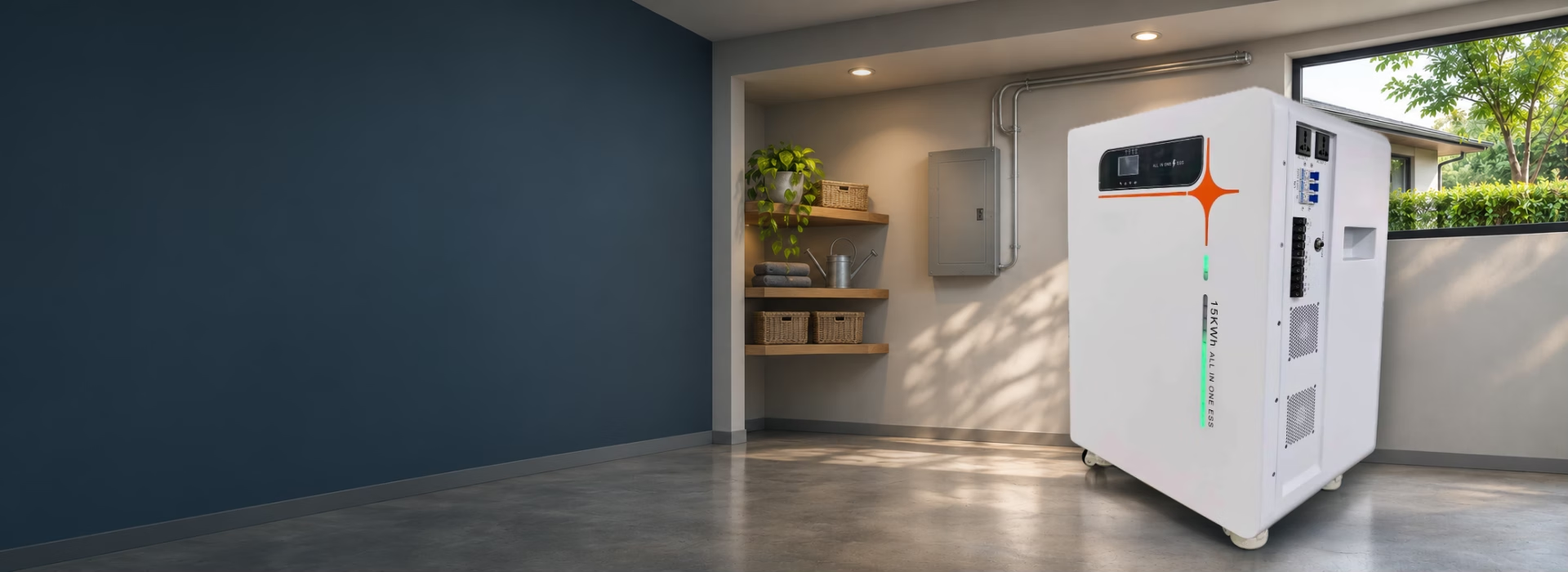
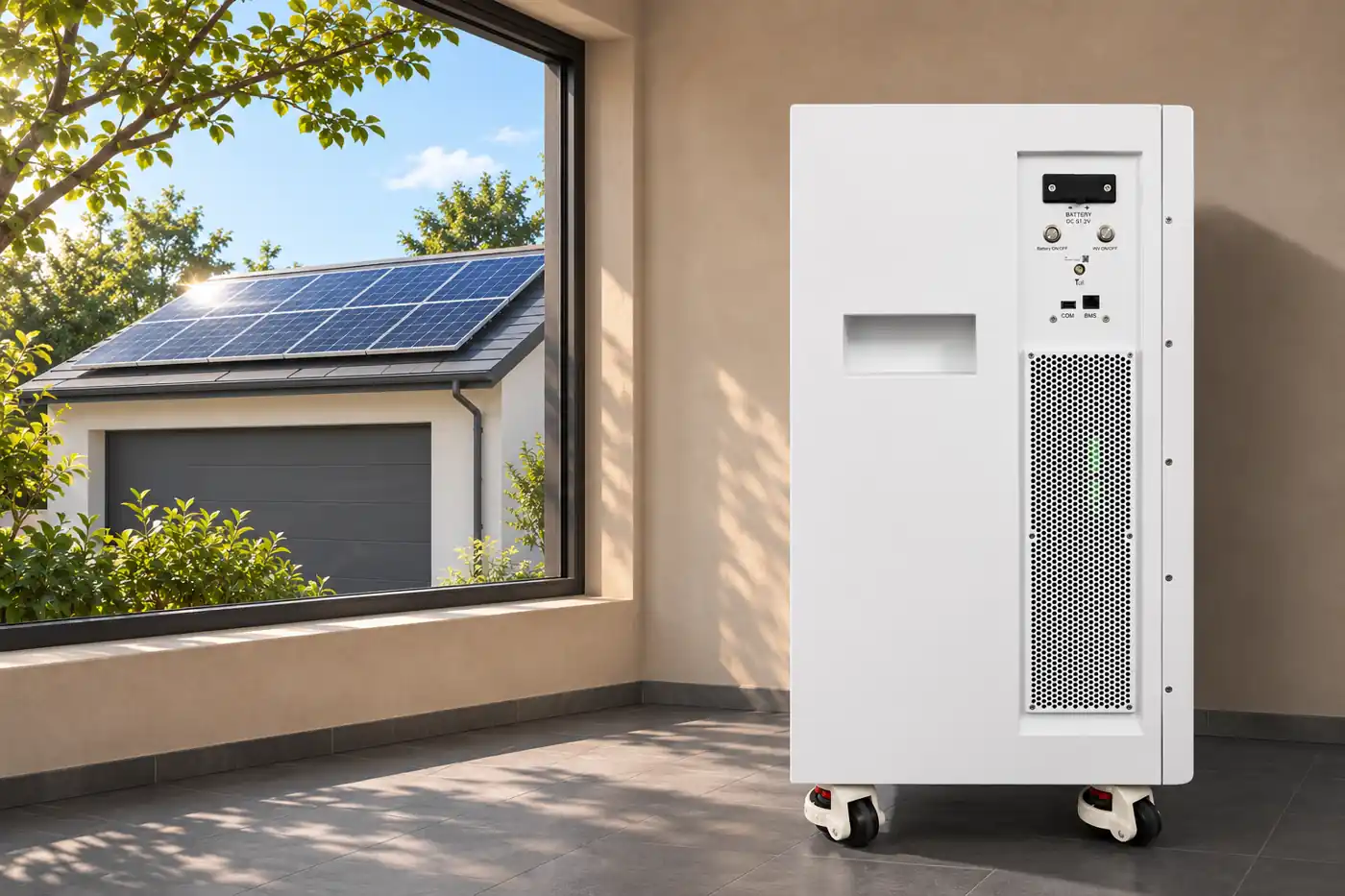
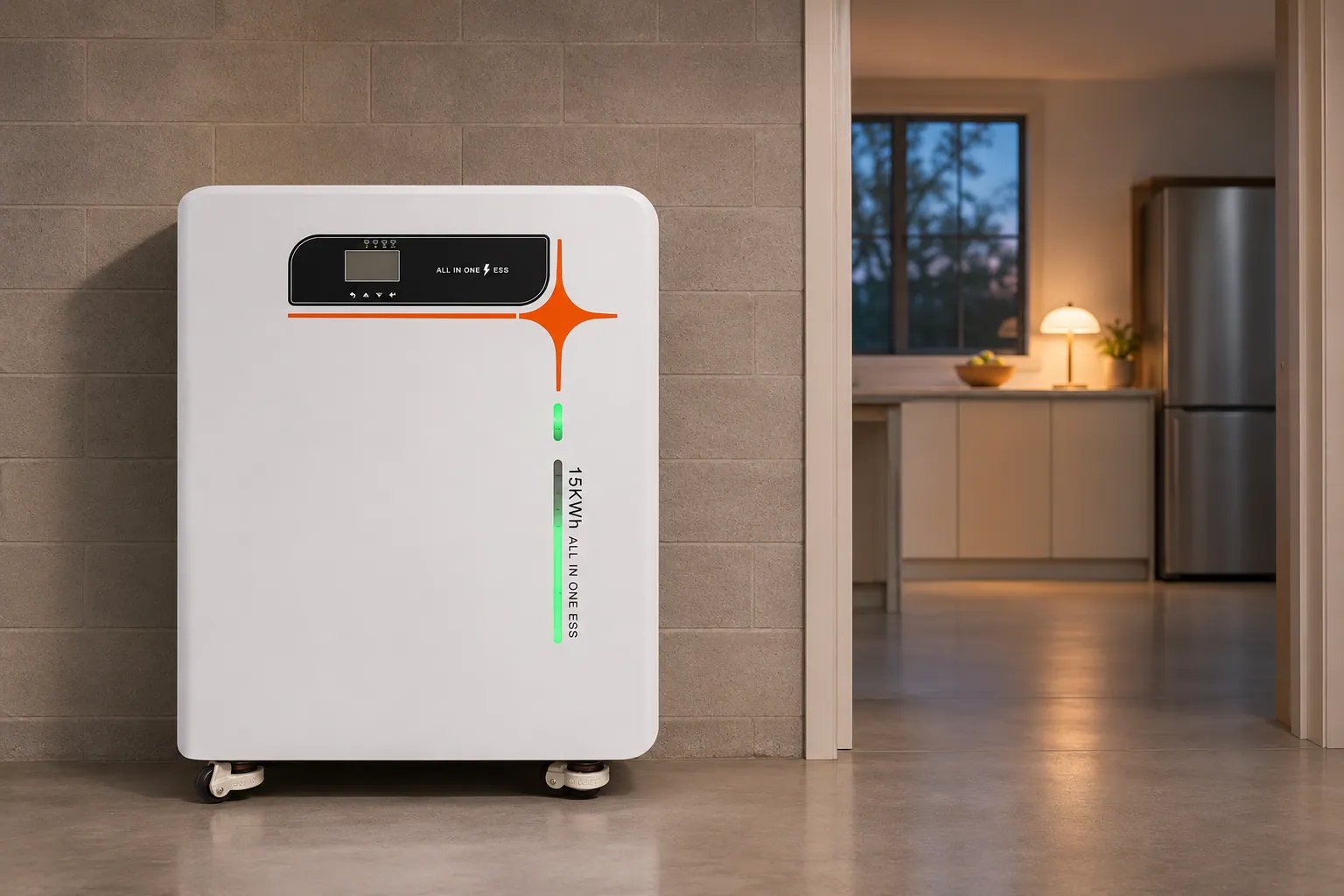
ARES home energy storage cabinet in a residential utility space

ARES Home Energy Storage System

ARES combines a solar inverter and a LiFePO₄ battery in one cabinet. Compare six 230 V configurations with nominal storage capacities from 5.12 to 17.152 kWh. Choose the battery for the energy a household needs, then check that the inverter can run the appliances used at the same time.

What can you specify with ARES?

Choose the storage capacity, confirm the AC output and agree how the household will recharge its battery. ARES brings the solar inverter and battery into the same cabinet.

Inverter and battery in one unit

Each all-in-one energy storage system pairs an inverter with its own battery configuration. Use the full SCAS item number when ordering for several homes.

Three choices at 5 kW

The 5 kW configurations offer 5.12, 7.68 or 8.576 kWh. This lets you increase stored energy for evening use while keeping the same inverter power rating.

Solar or grid charging

Choose solar-only charging, give solar priority, or use both solar and grid power. Ask for the charging mode that suits the household’s evening load and daytime solar production.

Wi-Fi module connection

The new specification lists communication interfaces and support for connecting a Wi-Fi module. Confirm the accessories included with the ordered configuration.

Explore the six ARES configurations

All six cabinets combine a battery and an inverter. Choose a nominal capacity below to see the order code, load considerations and delivery weight.

SCAS-5.5KW-5KWH | SCAS-5.5KW-5KWH | 5.12 kWh

SCAS-5.5KW-5KWH

For a short list of essential circuits

25.6 V / 200 Ah · 5 kW inverter

SCAS-5KW-7.5Kwh | SCAS-5KW-7.5Kwh | 7.68 kWh

SCAS-5KW-7.5Kwh

More stored energy at the same 5 kW output

25.6 V / 300 Ah · 5 kW inverter

SCAS-5KW-8.5Kwh | SCAS-5KW-8.5Kwh | 8.576 kWh

SCAS-5KW-8.5Kwh

Largest battery in the 5 kW group

25.6 V / 335 Ah · 5 kW inverter

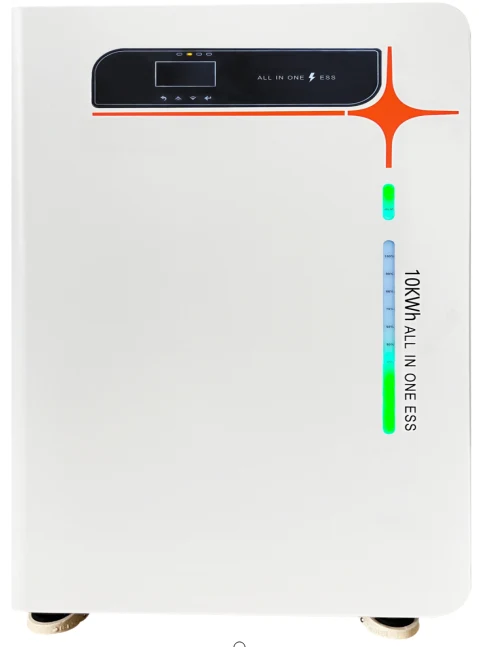
SCAS-5.5KW-10KWh | SCAS-5.5KW-10KWh | 10.24 kWh

SCAS-5.5KW-10KWh

Twice the nominal energy of the 5.12 kWh unit

51.2 V / 200 Ah · 6 kW inverter

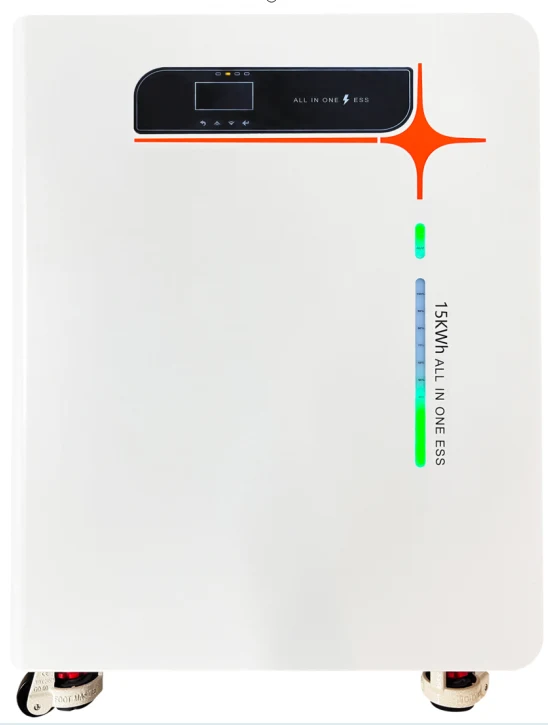
SCAS-11KW-15KWh | SCAS-11KW-15KWh | 15.36 kWh

SCAS-11KW-15KWh

Compare for a larger evening load

51.2 V / 300 Ah · 12 kW inverter

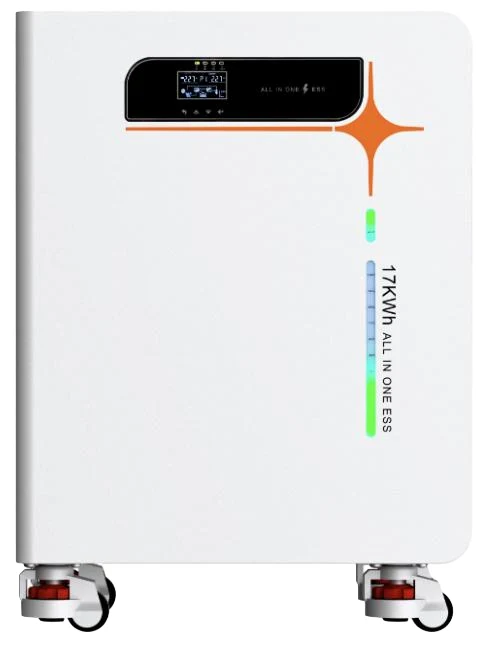
SCAS-11KW-17KWh | SCAS-11KW-17KWh | 17.152 kWh

SCAS-11KW-17KWh

Highest nominal capacity in the series

51.2 V / 335 Ah · 12 kW inverter

ARES specifications at a glance

Compare home energy storage systems on two figures. Nominal battery energy in kWh describes how much the battery stores. Inverter output in kW helps determine which appliances can run together. The 10.24 kWh model lists a 6 kW inverter. The 15.36 and 17.152 kWh models list 12 kW. Check the delivered nameplate against the load schedule.

Order codeNominal battery energyBattery voltage / capacityInverter rating
SCAS-5.5KW-5KWH5.12 kWh25.6 V / 200 Ah5 kW
SCAS-5KW-7.5Kwh7.68 kWh25.6 V / 300 Ah5 kW
SCAS-5KW-8.5Kwh8.576 kWh25.6 V / 335 Ah5 kW
SCAS-5.5KW-10KWh10.24 kWh51.2 V / 200 Ah6 kW
SCAS-11KW-15KWh15.36 kWh51.2 V / 300 Ah12 kW
SCAS-11KW-17KWh17.152 kWh51.2 V / 335 Ah12 kW

What will the household use the battery for?

Installers comparing home energy storage systems can start with the time of day the household needs power. An evening load, a motor that must start during an outage and a development with several house types lead to different specifications.

Move afternoon solar energy into the evening

For solar battery storage for homes with rooftop PV, compare a typical afternoon of surplus generation with the energy used after sunset. If the roof yields little surplus in winter, ask how often a larger battery could actually be refilled.

Keep selected circuits available during an outage

When comparing battery backup systems for homes, agree which circuits will be supported. A fridge, lights and a router have different operating patterns. Add a well pump and the brief also needs its starting demand and the other loads running at that moment.

Quote a development by house type

For contractors buying residential energy storage systems in quantity, group homes by electrical service and expected evening use. Keep the SCAS code and quantity on each line of the schedule so two homes with similar floor areas can receive different configurations.

Choose your ARES battery capacity

Compare nominal battery energy within one residential energy storage system family. All six configurations list 230 V inverter output. For loads such as pumps or compressors, include the starting demand as well as the running load in your enquiry.

SCAS-5.5KW-5KWH | SCAS-5.5KW-5KWH | 5.12 kWh
SCAS-5.5KW-5KWH | 5.12 kWh

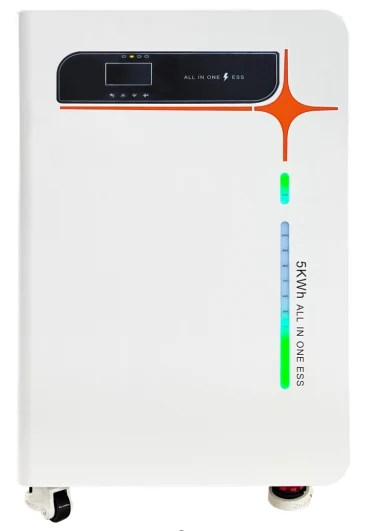
The smallest ARES option pairs a 5 kW inverter with a 25.6 V, 200 Ah battery. Start here for a short list of essential circuits and check their evening energy use before moving up in capacity. For a 230 V home with a few evening loads, compare measured energy use with the usable AC energy available at the planned reserve. At 69 kg packed, this is the lightest configuration on the delivery list.

SCAS-5KW-7.5Kwh | SCAS-5KW-7.5Kwh | 7.68 kWh
SCAS-5KW-7.5Kwh | 7.68 kWh

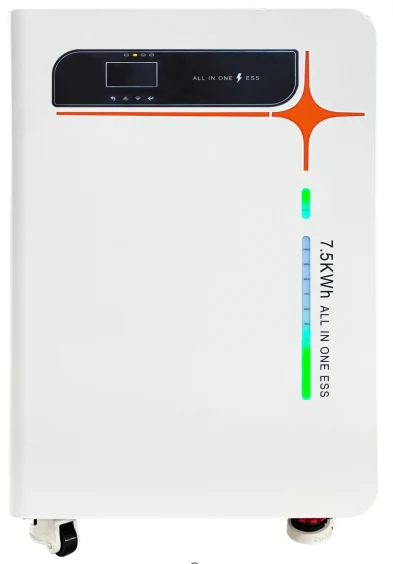
For the same 5 kW inverter rating, this 300 Ah configuration stores 2.56 kWh more nominal energy than the 5.12 kWh unit. Compare the two when the appliance list stays the same but the household wants a longer evening supply window. Buying several home backup battery systems for similar houses? If their peaks are alike but one home has longer hours of occupation, keep the peak-load check and compare the evening meter totals. Packed weight is 86.5 kg per unit.

SCAS-5KW-8.5Kwh | SCAS-5KW-8.5Kwh | 8.576 kWh
SCAS-5KW-8.5Kwh | 8.576 kWh

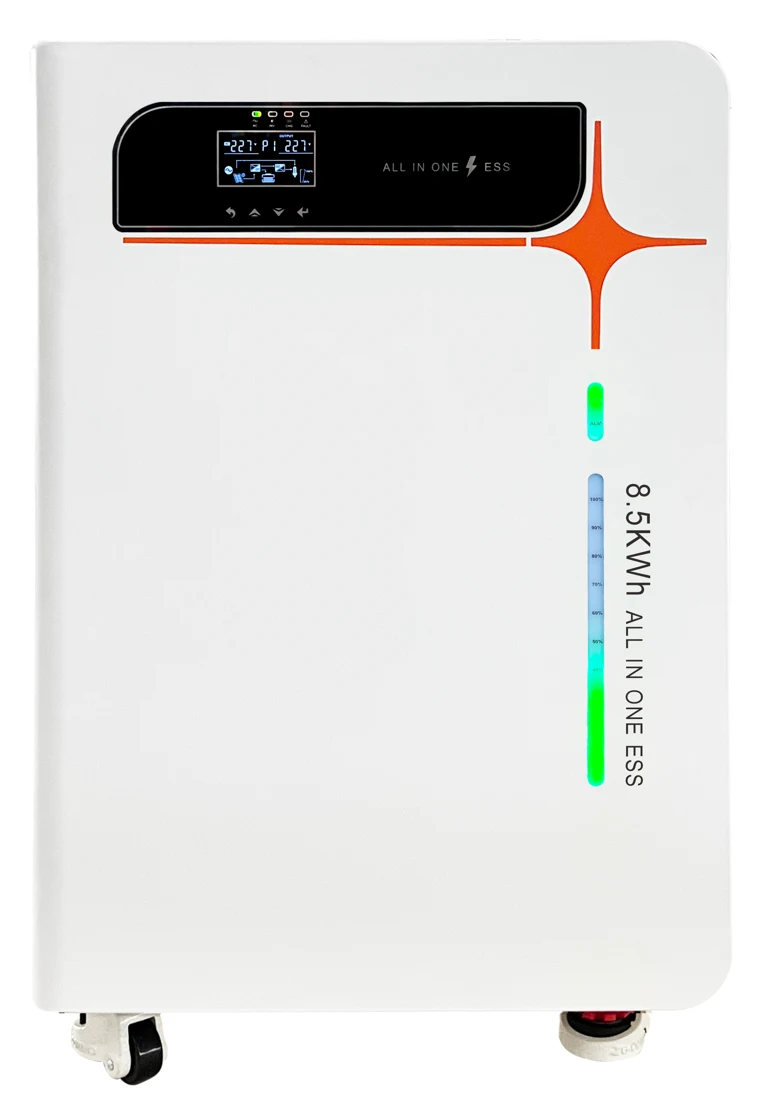
This 25.6 V, 335 Ah pack has the most nominal energy of the three 5 kW options. It adds 0.896 kWh over the 7.68 kWh version. Compare that increment with the energy needed in the last hour of the evening. For a project adding refrigerator loads, measure their actual consumption over the proposed backup period. A short compressor start also needs a separate inverter check. This unit ships at 88 kg packed.

SCAS-5.5KW-10KWh | SCAS-5.5KW-10KWh | 10.24 kWh
SCAS-5.5KW-10KWh | 10.24 kWh

A 51.2 V, 200 Ah battery gives this unit twice the nominal energy of the 5.12 kWh model. For a retrofit, send the existing array specifications and check the 6 kW inverter rating and 80–500 VDC PV operating range for the supplied configuration. Both the 5.12 and 10.24 kWh units list 200 Ah. The higher voltage doubles the nominal energy, so compare quotations in kWh when battery voltages differ. Allow for 109 kg packed per unit at delivery.

SCAS-11KW-15KWh | SCAS-11KW-15KWh | 15.36 kWh
SCAS-11KW-15KWh | 15.36 kWh

This 51.2 V, 300 Ah configuration is a candidate for households with higher evening energy use. Compare its 156.5 kg packed weight against access at the receiving site, and specify the simultaneous load when checking the listed 12 kW inverter configuration. A homeowner may need a longer supply window at the same evening load. Use the household’s interval readings to determine whether the extra nominal storage over 10.24 kWh would be used and replenished in a normal day.

SCAS-11KW-17KWh | SCAS-11KW-17KWh | 17.152 kWh
SCAS-11KW-17KWh | 17.152 kWh

The 335 Ah version adds 1.792 kWh of nominal energy over the 15.36 kWh version at the same battery voltage. Compare them for projects where evening consumption determines the choice. The specification lists a 12 kW inverter. Verify the delivered nameplate against the load schedule. The 15.36 and 17.152 kWh units list packed weights of 156.5 and 164 kg respectively. For a distributor splitting a shipment between sites, use the full item code on the packing list and site allocation sheet to distinguish the two.

Quick Quote

Build a load schedule before choosing a battery

For a home battery energy storage system, record the appliances that overlap at the busiest moment and the energy they use over time. A recent interval meter reading can help distinguish a short peak from an evening of steady demand.

Calculate energy at the appliances

Take three illustrative loads: 120 W of lighting for 5 hours uses 0.60 kWh, a 20 W router for 8 hours uses 0.16 kWh, and refrigeration averaging 100 W for 8 hours uses 0.80 kWh. Together they need 1.56 kWh delivered at the appliances. Use measured refrigerator consumption where available.

Record the largest simultaneous demand

A home backup battery system also has to carry the load at the instant a motor starts. Give the installer the motor’s starting data, its normal running demand and the loads that may already be on. A daily energy total alone cannot establish that starting capability.

Allow for reserve and losses

To compare home battery storage systems, ask for usable AC energy at the intended load and starting charge. The ARES table states nominal DC battery energy. If the household needs to retain a reserve for a later outage, include that reserve when agreeing the evening discharge window.

Home solar battery storage from midday to evening

On a home solar project, first establish when the house uses power. In the solar-priority operating mode, PV can supply connected loads and surplus generation can charge the battery. Stored energy can then supply supported loads when solar production falls.

Electricity remaining after daytime loads

When solar output exceeds the connected demand in solar-priority mode, surplus generation can charge the battery. To evaluate a battery storage system for home solar, compare generation and consumption over the same intervals. Monthly totals can hide a busy kitchen or a daytime water heater that uses much of the midday surplus.

Energy required after sunset

For solar home battery storage, use evening meter readings to estimate the demand that would otherwise come from the grid. Estimate weekdays and weekends separately if occupancy differs. A larger battery is most useful on days when enough energy is available to recharge it.

Residential solar storage illustration with rooftop panels and the side of an ARES cabinet

How should ARES recharge between uses?

The ARES manual describes three charging priorities. A home solar energy storage system can serve two different goals here: preserving room for tomorrow’s solar generation or restoring a backup reserve before the next outage. Agree the priority with the household.

PV only

Choose PV-only charging when the project calls for the battery to take its charge from solar. For home battery storage for solar self-consumption, check the surplus available after daytime loads, especially in the month with the least generation.

PV first

With both sources available, PV takes charging priority. When only the grid is available, it can charge the battery. This gives an installer a choice for a solar energy storage system where the owner wants solar charging when available and grid charging when solar is absent.

PV and grid together

The combined mode allows grid and PV charging together. For home battery backup systems with a target recharge window, confirm the site’s available supply, the limits of the ordered unit and how much energy must be restored. A charging-mode label alone does not predict time to full charge.

Can an existing solar array work with ARES?

When specifying battery storage for home solar retrofits, send the existing array and inverter information before selecting a cabinet. ARES includes an inverter, so the equipment to be retained affects both the design and the quotation.

Roof and inverter details

For a residential battery energy storage system, provide the PV module data sheet, modules per string, number of strings, existing inverter model and site single-line diagram. Mark which equipment the owner wants to keep and which equipment is being replaced.

A compatibility decision for the actual order

When comparing solar energy storage systems, ask the installer to verify the proposed array’s voltage and current against the ordered inverter. The specified PV operating range is 60–450 VDC for the three 5 kW units and 80–500 VDC for the three larger units. A rooftop array’s total wattage alone does not establish compatibility. Ask the quotation to identify any additional equipment the agreed design needs. If you plan to keep the existing inverter and buy a separate battery, review the ATHENA-A battery specifications with your installer.

Residential backup illustration with an ARES cabinet beside a kitchen

Sizing a home battery backup system for essential circuits

Choose the circuits that need power during an outage. Add the loads that may run together, including motor starting demand. Then estimate the energy those circuits will use across the outage window. These two figures help identify both the inverter requirement and the battery size.

Estimate energy from a load schedule

For example, a combined average load of 500 W over 6 hours needs 3 kWh at the appliances. Allow for conversion losses and the battery reserve setting when selecting home battery storage. Actual runtime also depends on the state of charge at the start of the outage.

Choosing a solar battery backup system for home offices

Identify any devices that have a maximum permitted interruption time. The new specification lists a 10 ms transfer time. The installer needs to check the supplied version and the proposed backup circuit design before confirming suitability. If stored energy and solar input cannot support the load, the inverter can enter standby.

Plan the delivery and installation

When ordering battery storage systems for homes in a development, list each SCAS item code and quantity separately. Identify the destination building on the allocation sheet before cartons are split between sites.

Check handling access

The listed packed weight is 69 kg for the 5.12 kWh unit, 156.5 kg for the 15.36 kWh unit and 164 kg for the 17.152 kWh unit. Check the delivery route, unloading arrangements and access to the equipment location before dispatch.

Define what the quote includes

Ask for the inverter and battery configuration, included accessories and any separately supplied equipment to be itemised. Include the destination, quantity by model and required delivery date when requesting freight.

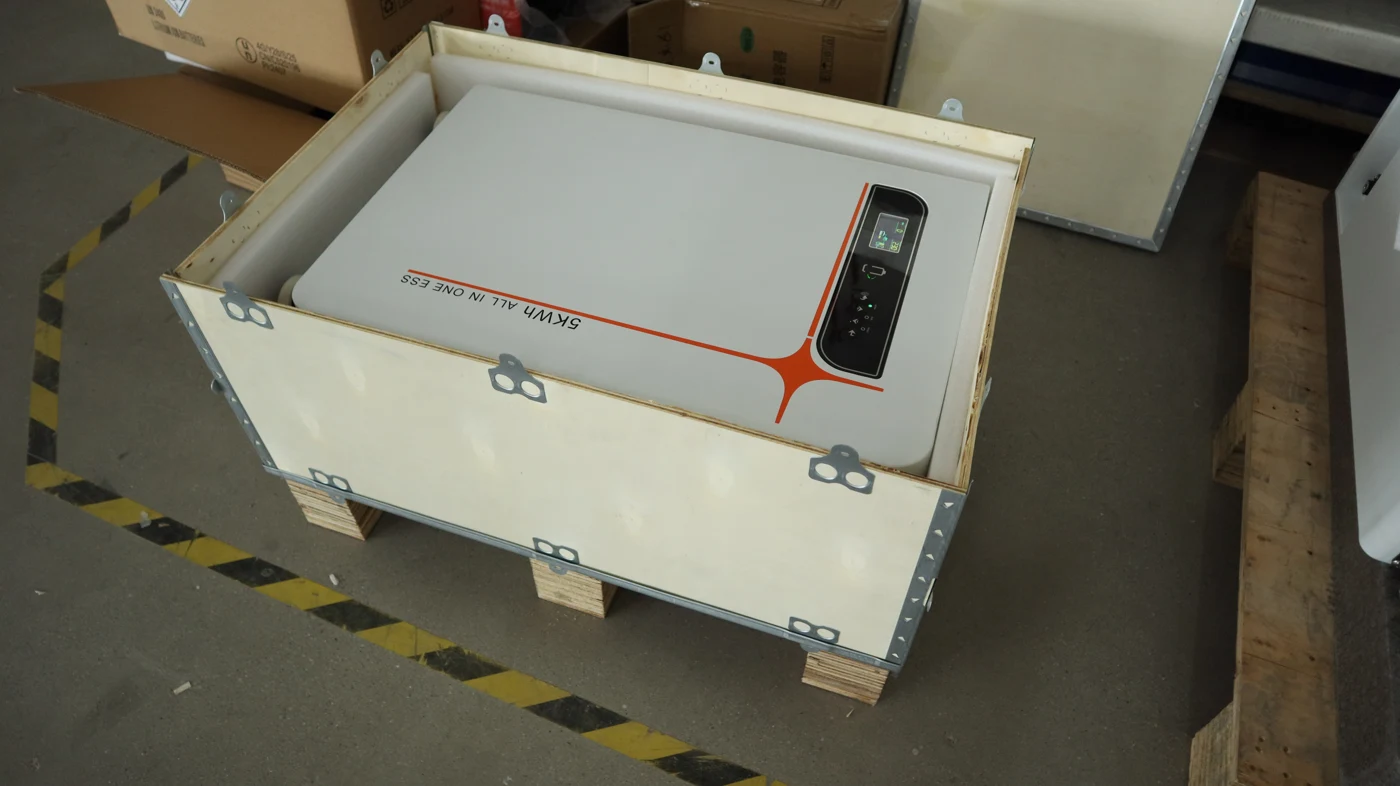
An ARES unit in a protective packing crate

What should be recorded at handover?

For distributors supplying energy storage systems for homes in several phases, keep one equipment record per home. The same record helps the installer commission the unit and the distributor identify the right item on a repeat order.

Match the order to the delivered cabinet

Record the SCAS order code, serial number, battery energy and inverter nameplate. In the 10.24, 15.36 and 17.152 kWh configurations, compare the supplied nameplate with the listed 6 kW, 12 kW and 12 kW inverter ratings before signing off the household’s load schedule.

Leave the operating plan with the household

For a battery energy storage system for home backup, record the supported circuits, the agreed charging priority and the reserve policy. Ask the installer to document the result of the functional checks for that home and give the owner the correct manual for the delivered equipment.

Explore the energy storage range

Home battery storage questions from installers and distributors

Use these answers when preparing a system schedule or comparing quotations.

What comes with an ARES home battery storage system?

Each unit combines a solar inverter and a LiFePO₄ battery. The new specification shows a DC fuse and lists a Wi-Fi module connection. Confirm the supplied accessories for the order, and itemise PV modules, mounting equipment and site electrical work separately.

Which battery capacities share the 5 kW inverter?

The 5.12, 7.68 and 8.576 kWh units share the listed 5 kW inverter rating and 25.6 V battery voltage. Their battery capacities are 200, 300 and 335 Ah respectively.

Is the capacity in the model name the usable energy?

Use the nominal energy in the comparison table for the initial shortlist. Energy available to the appliances depends on starting charge, the discharge limit and conversion losses. Request usable AC energy under the proposed operating conditions for a runtime commitment.

How do I size a battery backup system for home appliances with motors?

Send the running power, starting demand and expected hours of use. Check whether other loads start at the same time. Compare the combined demand with the confirmed inverter limits before selecting the battery for the required hours.

Can a solar battery energy storage system charge from the grid?

The ARES manual describes PV-only, PV-first and combined PV and grid charging options. Ask the installer to confirm the settings available on the supplied unit and match them to the household’s operating plan.

What should we check when adding solar battery storage for home use?

Share the module data sheet, string layout and existing inverter details. Compatibility depends on the array voltage and current, the selected ARES version and how the existing equipment is connected.

What happens when solar input and battery charge are both low?

In the solar–battery–grid priority mode, the grid can take over if it is available. During a grid outage the inverter can enter standby if the available power is insufficient for the connected loads. Confirm the operating mode during commissioning.

Will the 230 V version suit a 120/240 V split-phase home?

For battery backup systems for home use, the service voltage and phase arrangement are part of the specification. The listed ARES units have 230 V inverter output. Send the site frequency, service details and local requirements so split-phase compatibility can be checked before ordering.

Can an energy storage system for home use be expanded later?

If the project needs staged expansion, list its initial and future capacity requirements. Request written confirmation of supported battery modules, interfaces and expansion limits for the selected version before placing the first order. For projects that need more than 17.152 kWh from the outset, compare the APOLLO-A storage configurations.

What is needed for a project quotation?

Send the destination, electrical supply details, critical loads, target backup hours and PV equipment list. Add the preferred ARES configurations, quantities and delivery schedule so the quotation can cover both equipment and freight.

Request an ARES project quote

Send NEWSKYPOWER your load schedule, site voltage and frequency, solar array details and target backup time. If you already have a shortlist, include the SCAS order codes, quantities and delivery destination. We can use those details to check the configurations and prepare an itemised quotation.

Quick Quote
Scroll to Top