

Buying solar flood lights in bulk starts with making the offers comparable. Specify the application, lighting schedule and product version before requesting prices; test samples against those requirements; then agree how the approved configuration, inspection records and warranty responsibilities will carry through to the shipment. The lowest unit price is not necessarily the lowest cost of delivering the required lighting.
A distributor may need consistent replacement stock. A contractor may need a documented lighting result at one site. An OEM brand owner may also need controlled packaging, instructions and software support. These are different purchasing requirements, even when the products look alike. A useful quotation process makes those differences visible before money is committed.
Standardize the Requirements and Product Version Before Requesting Quotes
Define Application, Operating Hours, Sunlight, Lighting Goals, and Quantity
Start with what the light must do. Describe the target surface or area, its dimensions, available mounting positions and the hours when visibility matters. Distinguish a sign that closes with a business from an entrance that needs a low background level all night and brighter output on activity. The same enclosure does not make these requirements equivalent.
Provide the project location, panel-position photographs and known seasonal obstructions. For a distributor serving several locations, identify the intended application range and its limits rather than promising one configuration for every climate. If a project already specifies measured lighting criteria, attach them, including measurement positions and conditions. Do not turn a requested wattage label into an assumed lighting result.
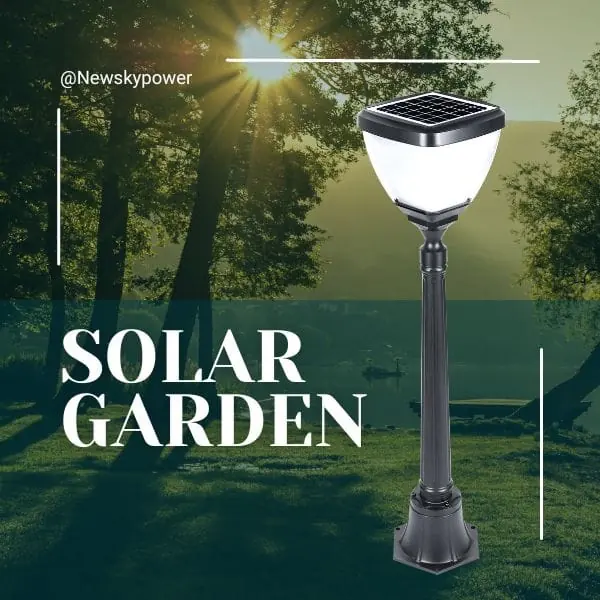
State the sample quantity separately from the intended order quantity. Explain whether one order contains several models, control versions or packaging options. Ask suppliers to identify assumptions and exclusions, not simply fill a price beside your product name. The solar flood light range can help identify product routes; the purchase specification still needs to describe the exact version being offered.
Specify the Model Version, Panel, Battery, Modes, Cables, and Optional Features
Give the configuration a revision reference. Record the lamp model, panel, battery voltage and capacity, controller program, supported modes, supplied cables, brackets and accessories. Mark camera, sensor, color-control or other options explicitly as included, optional or excluded. A photograph is useful for identification, but cannot confirm an internal battery or firmware version.
Request a dated specification sheet and the instructions that will ship with the goods. Ask the supplier to explain differences between those documents and the quotation. For example, a timer shown on one remote should not be assumed to exist on every version. Resolve important discrepancies before approving the sample; do not let a later packing list silently redefine the product.
How Should You Compare Two Very Different Quotations?
Separate Marketing Wattage from Lighting Data and Comparable Battery Energy
Two offers described as “100W” may not represent the same electrical load or useful lighting. Ask what the number means and request model-specific output data, the operating program and the conditions behind any runtime claim. A light that remains visible at a reduced level is not equivalent to one maintaining the required lighting effect throughout the agreed period.
Compare battery energy on a consistent basis. Nominal watt-hours are approximately nominal voltage multiplied by amp-hours; mAh must first be divided by 1,000 to obtain Ah. Nominal energy is not the usable energy available under every operating condition. Ask how usable energy, control cutoffs and the requested lighting schedule have been accounted for. Do not use the panel voltage as a substitute for missing battery voltage.
Keep evidence gaps visible in the comparison. “Not supplied” is more useful than an invented equivalence. A supplier that offers measured lighting information and a defined sample test gives you a different basis for evaluation from one offering only a larger label. Neither a specification table nor a product photograph alone proves the final site’s result.
Align Accessories, Packaging, Trade Terms, Freight, and After-Sales Scope
Ask for the same quantity, configuration and delivery basis. Compare what is included in the carton, whether the panel is packed separately, and which bracket or extension lead is supplied. Separate product cost, customization charges, freight and other quoted items instead of comparing totals with different inclusions. Obtain current prices, order minimums, quotation validity and production schedules directly from the supplier.
| RFQ comparison field | Supplier answer to record | What must match before price comparison |
|---|---|---|
| Product and revision | Exact lamp, panel, battery and control version | Same required function and accepted configuration |
| Lighting service | Output evidence, schedule and test conditions | Same target task and operating periods |
| Accessories | Cable, connector, bracket, remote and spare-part list | Same included items and approved compatibility |
| Packaging and OEM | Carton arrangement, labels, artwork and charges | Same packing and customization scope |
| Commercial offer | Quantity, currency, delivery basis, validity and timing | Comparable scope, with exclusions visible |
| Support | Covered components, remedies and responsibility for costs | Written terms, not a warranty headline alone |
This sheet is a question framework, not a list of universal contract terms. Record who will answer each open item and when. If supplier selection itself remains unresolved, the broader guide to assessing a solar light manufacturer in China covers that separate decision. The flood-light comparison should stay focused on the proposed product and order.
Which Promises Should Sample Testing Verify?
Define Acceptance Conditions Before Assessing Brightness, Modes, Charging, and Repeated Operation
Write the sample protocol before opening the carton. Identify the sample, mode, initial charge procedure, mounting geometry, measurement locations and expected operating schedule. Decide which observations are visual and which require instruments or specialist testing. A visual check of sign readability can be useful, but does not replace a specified illuminance measurement.
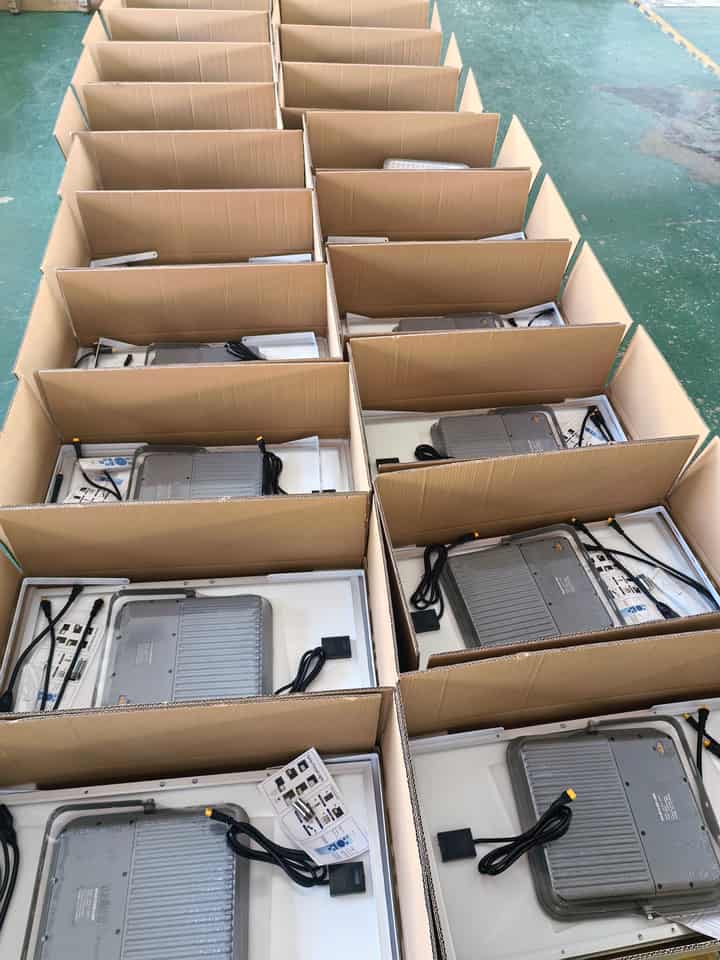
Check the complete kit as well as the lamp. Confirm that the delivered connectors, brackets, remote and instructions correspond to the quotation. Then observe the advertised controls in the intended combination. Does the timer end the lighting period as expected? Does motion return the light to the agreed background level? Record actual behavior rather than treating a button label as a passed test.
For brightness testing, compare under matching conditions and record performance beyond switch-on. When evaluating runtime, state what counts as success: remaining on is not enough if the required output is no longer achieved. Camera-equipped samples also require testing the requested recording and network behavior alongside the lighting schedule. A successful live view does not demonstrate stored recording or uninterrupted operation.
Record the Starting State, Environment, Measurement Method, and Multiple Operating Cycles
One successful night answers a narrow question about that sample under those starting conditions. It does not show that daily solar charging will replace consumption over repeated cycles. Log sunlight exposure, shading, weather, mode changes, unusual activity and the next night’s behavior. If the protocol includes a controlled starting charge, distinguish it from subsequent operation using only the installed panel.
| Sample-acceptance record | Record during the test | Basis for the decision |
|---|---|---|
| Identity and condition | Sample ID, revision, kit contents and arrival condition | Matches the agreed configuration |
| Lighting effect | Mounting geometry, observation or meter positions, initial and later output | Meets the agreed task under stated conditions |
| Control behavior | Selected mode, trigger conditions, timer behavior and reset behavior | Follows the documented program |
| Energy and repeated use | Starting condition, solar exposure, operating periods and interruptions | Supports the agreed service across the test sequence |
| Optional camera | Network, recording mode, playback/export and lighting used together | Required functions work in the specified combination |
| Disposition | Pass, fail or pending; evidence and supplier response | No unresolved critical condition hidden by an overall “pass” |
Decide beforehand how many samples and cycles are appropriate to the order’s risk and what will trigger investigation or retesting. Do not present one universal sample count as sufficient for every batch. After a sample changes, document the change and repeat affected checks rather than carrying forward the earlier result automatically.
Ingress protection, electrical safety and transport compliance need suitable documentation or professional assessment for the relevant product. An improvised spray test is not proof of a certified IP rating. Do not open battery packs, bypass protection or improvise electrical connections to make the sample test more “thorough.”
How Can You Reduce Differences Between Samples and Bulk Deliveries?
Confirm the Sample Version, Key Configuration, and Change-Approval Process
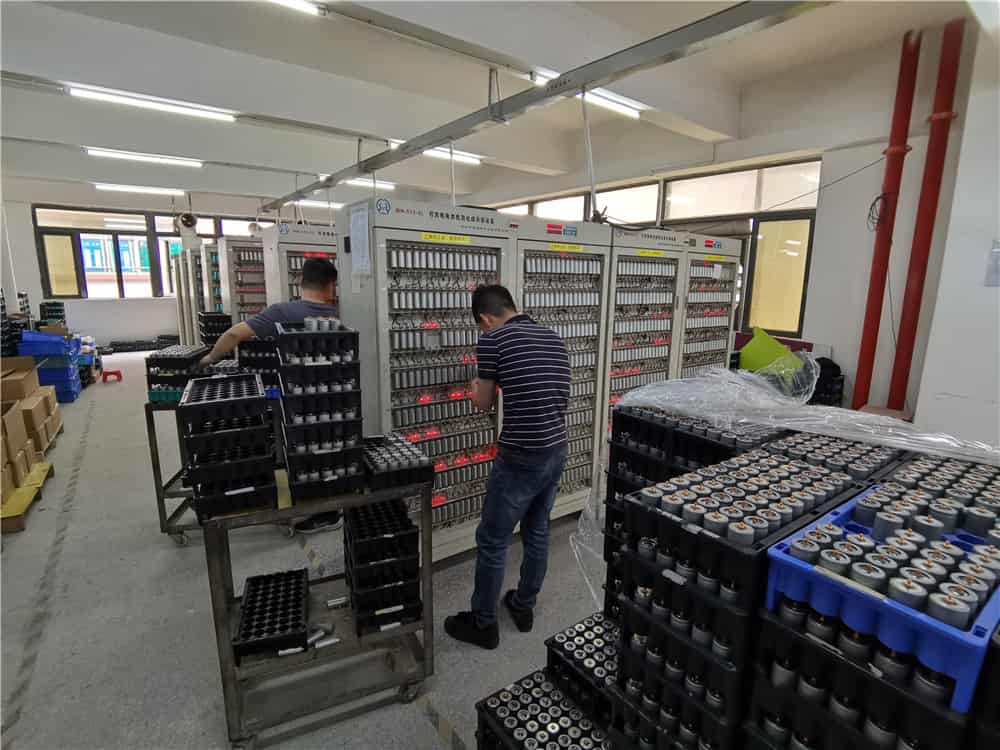
Keep an approved reference sample, its identification photographs and its configuration record. Tie approval to that record, not only to the trade name. Include the control program and optional features as well as visible parts. A housing can look unchanged while a battery, panel, remote or operating program changes.
Agree which substitutions require written approval before production. Ask for their effect on compatibility, performance, instructions and supporting documents. If a proposed change affects the function that was tested, arrange the corresponding sample recheck. Treat a verbal assurance that the replacement is “equivalent” as a question to resolve, not as a substitute for an agreed record.
Agree on Batch Identification, Incoming Inspection, and Sample Comparison Items
Ask how finished units and cartons can be traced to the production batch and approved configuration. Agree what inspection records accompany the shipment and how discrepancies will be handled. Incoming checks should use the same identification fields and relevant performance conditions used for approval.
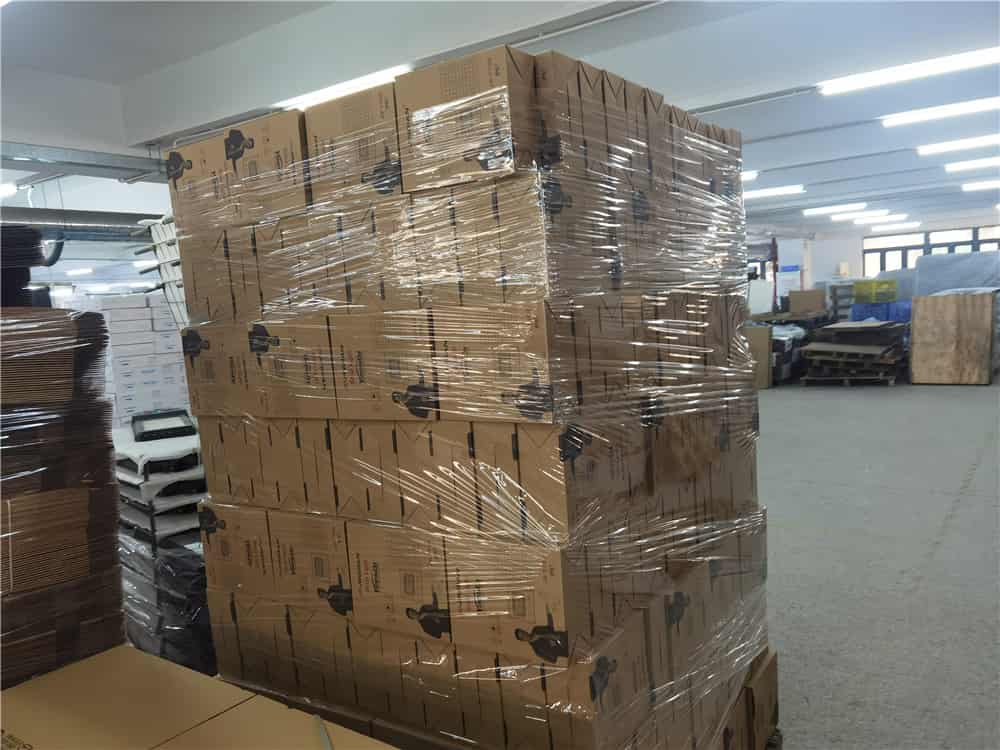
Inspect packing damage, kit completeness, model markings, connector compatibility and the agreed operating behavior. Define a suitable batch sampling approach with the responsible quality personnel rather than assuming every product must undergo destructive inspection. Keep the original observations, photographs and disposition so a later complaint can be traced to a unit or batch.
What Should You Check Beyond the Warranty Period?
Covered Components, Remedies, Exclusions, and Claim Evidence
Ask what the warranty covers and how a valid claim is resolved. A longer stated period does not tell you whether the battery, panel, controller, camera or accessories receive the same treatment. Clarify how reduced performance is assessed, which evidence is requested and who makes the initial diagnosis.
Record the start point and the procedure for reporting a problem. Ask about relevant exclusions and maintenance requirements before ordering. Do not assume that a warranty paragraph on a general website page overrides the written terms for your exact product and transaction.
Clarify Labor, Freight, Replacement Parts, and the Handling Process in the Agreement
The practical cost of a remedy depends on where the product is installed and how it can be serviced. Ask whether the agreed remedy is a part, replacement unit, repair or another arrangement, and how the affected product is handled. Clarify costs before an urgent claim arises.
| Warranty-responsibility question | Written answer needed |
|---|---|
| Which components and failure conditions are covered? | Scope for each relevant assembly and how failure is assessed |
| What evidence starts a claim? | Unit identification, symptom record and permitted checks |
| What remedy is offered? | Assessment process and the agreed repair or replacement route |
| Who handles field work and shipping? | Responsibility for removal, labor, freight and return handling |
| Are parts and support available? | Compatible parts, ordering route and any agreed support commitment |
Keep your customer-facing promise aligned with the support you can actually provide. An importer should not promise free on-site replacement simply because the supplier offers a replacement component. Identify the gap and decide how it will be managed before resale.
Check Documentation and Customization for the Destination Market
Labels, Instructions, Packaging, and Applicable Compliance Documents
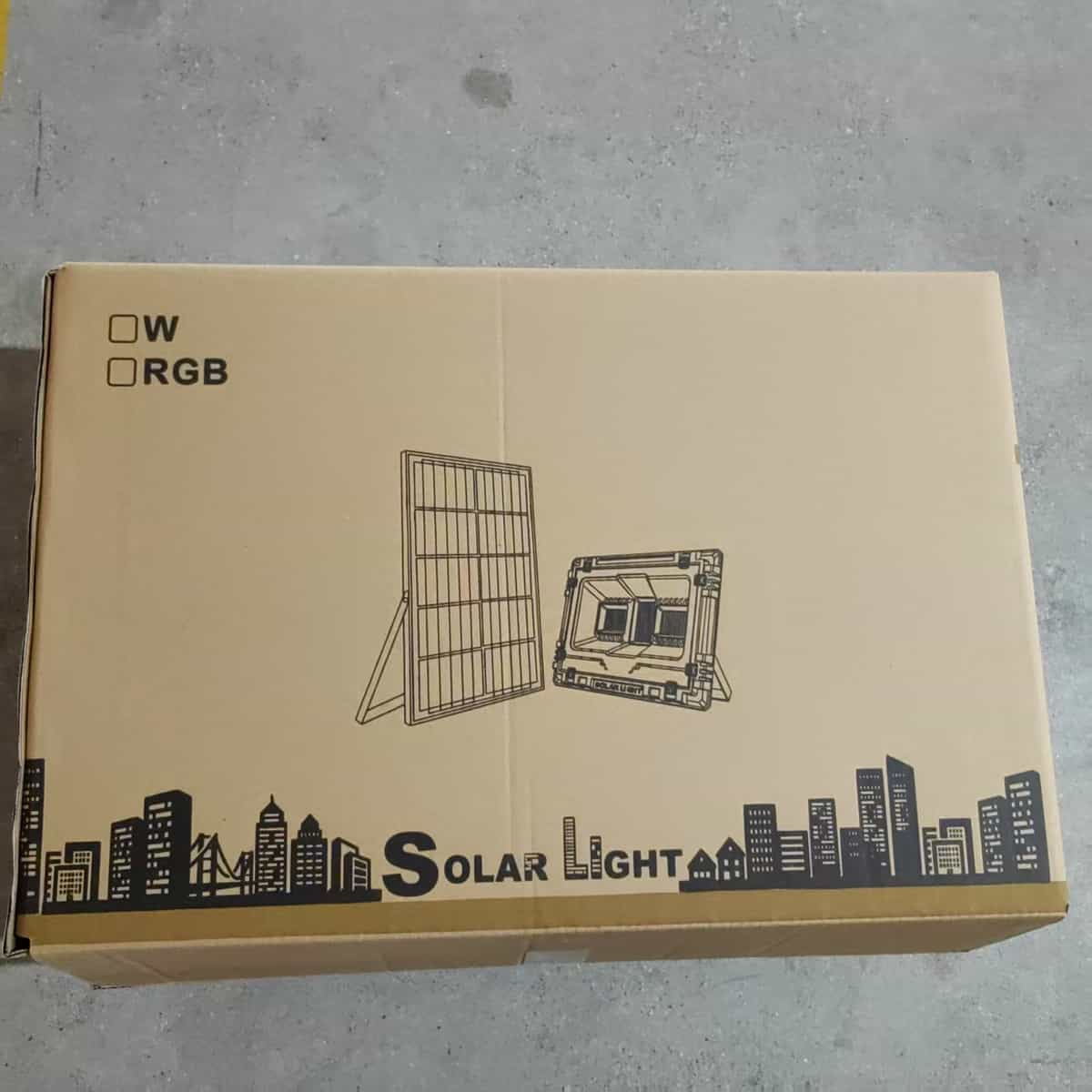
Confirm that labels, instructions and packing information match the shipped configuration and intended users. Check model names, control descriptions, supplied accessories and safety information during artwork approval. A translated instruction sheet is not adequate if it describes a different remote or installation arrangement.
Request the applicable documents for the product, components and destination market, and have the responsible compliance personnel review their scope and validity. Verify model coverage and the identity of the issuing or testing organization. Do not assume a logo, an unrelated report or one certificate establishes every requirement in every market.
Confirm OEM Requirements, Spare Parts, and Software Support for Camera Models Separately
For OEM solar flood lights, approve the logo position, artwork, carton contents and revision process separately from lighting performance. Confirm that customization does not hide identification or necessary product information. Check spare-part compatibility against the approved revision, not only the external appearance.
Camera models add software and service dependencies. Record the application and version used during acceptance, account handover requirements, available support and any service charges. Ask how changes to applications, cloud services or firmware will be communicated. Hardware acceptance alone cannot establish an indefinite commitment from an external service provider.
For distribution into Southeast Asia or Africa, name the destination country and the party responsible for local support in the RFQ. Request model-specific spare-part identification, translated instructions where needed, and an agreed fault-evidence and claim process. Confirm whether replacement parts are held locally or supplied from abroad, and who bears each agreed service cost. Do not infer local stock, certification, import acceptance, or delivery time from a generic regional sales statement.
Use an RFQ and Sample-Acceptance Checklist
Before placing the bulk order, assemble one controlled record containing the site or market brief, aligned quotations, approved specification, sample results, unresolved questions, packaging approval and written after-sales responsibilities. Assign an owner to every open item. A blank answer is not an acceptance.
Use a simple decision sequence: first confirm that the configuration can meet the task; next verify the sample against the agreed conditions; then compare total quoted scope and support. Request an updated offer if the accepted version differs from the originally priced version. This keeps wholesale price comparisons for solar flood lights tied to the product you intend to receive.
Send suppliers a consistent RFQ and ask them to identify exceptions clearly. The result should be a traceable purchase decision, not merely a spreadsheet with the lowest number highlighted.
Frequently Asked Questions
Why do products with the same wattage label have very different prices?
The label may not describe measured electrical consumption, and the offers may include different batteries, panels, optics, controls, accessories or support. Compare the exact configuration and demonstrated lighting service before deciding whether the price difference is justified. Obtain current quotations rather than treating an old price list as a live offer.
What Spare Parts Should Distributors Request with a Bulk Solar Flood Light Order?
Ask for a model-specific service-parts list identifying compatible remotes, approved cables or connectors, mounting parts, and any supplier-serviceable assemblies. Agree quantities from the intended service plan rather than a universal spare-parts percentage. Confirm version identification, availability, storage requirements, and who may fit each item. Battery assemblies and camera components need explicit compatibility and service approval, not substitutions based on appearance.
What Should Overseas Distributors Clarify Before Relying on a Solar Flood Light Warranty?
Confirm covered components, exclusions, required evidence, and the approved repair or replacement route in writing. Allocate responsibility for diagnosis, site labor, freight, replacement parts, and any return shipment before ordering. Ask whether an authorized local service option exists in the destination market. A long warranty period does not by itself establish local stock, free transport, or an on-site response commitment.
What Affects the Wholesale Price of Solar Flood Lights?
Wholesale price depends on the agreed configuration, quantity, accessories, packaging, customization, delivery basis, and support scope. Request a current itemized quotation for the same lighting requirement and product revision from each supplier. A lower unit price may exclude items included in another offer; a larger advertised wattage is not evidence that the higher-priced product provides better service.
What Is the Minimum Order Quantity for OEM Solar Flood Lights?
There is no universal minimum order quantity for OEM solar flood lights. Ask for separate conditions for standard stock, logo printing, customized packaging, and product changes. Clarify whether the minimum applies per model, version, artwork, or total order, and separate sample terms from production terms. Record the supplier’s current written offer rather than assuming an old listing still applies.
How Can I Check That Bulk Solar Flood Lights Match the Approved Sample?
Give the approved sample a documented configuration reference, including the panel, battery, controls, accessories, and acceptance records. Require agreed approval before substitutions and define how production inspections will check the selected batch. Packaging and appearance checks are useful but cannot establish hidden component specifications or nighttime performance; link inspection records to the approved revision and shipment identification.