


In many developed countries such as the United States, Canada, and Europe, modular light poles are no longer niche products but are widely adopted in fundamental Municipal Lighting Projects, Commercial developments, and outdoor lighting projects. Because it is more cost-effective, more convenient, and the post-maintenance cost is more controllable.
Based on years of customer feedback and market analysis, we identify the following applications as the most widely implemented and accepted in practice today.
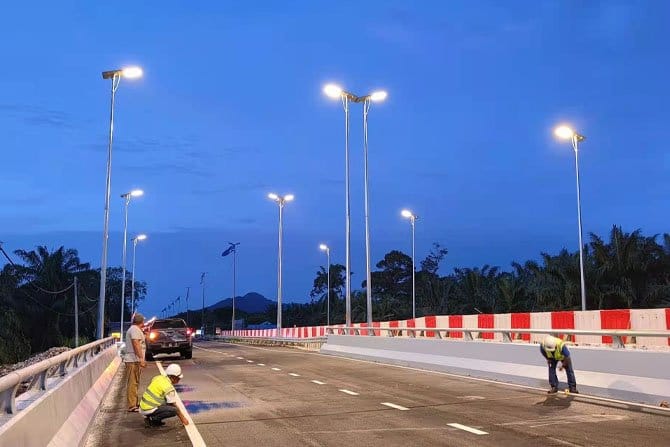
1. Municipal Roads and Urban Streets & Local Roads
Municipal roads and residential streets represent the most common application scenarios for modular light poles. These roads undergo frequent maintenance and occasionally experience vehicle impacts. As they remain visible to the public, prompt replacements are essential to maintain the city’s image when issues arise.
Modular light poles offer the following advantages during construction:
- Short repair times and rapid installation minimize traffic disruption from road closures
- Only damaged sections require replacement, eliminating full pole removal and reducing maintenance downtime
In parts of North America and Europe, modular light poles integrated with lighting systems and smart surveillance systems have become standard configurations for many local road lighting systems.
2. Parks, Walkways, and Landscape Lighting
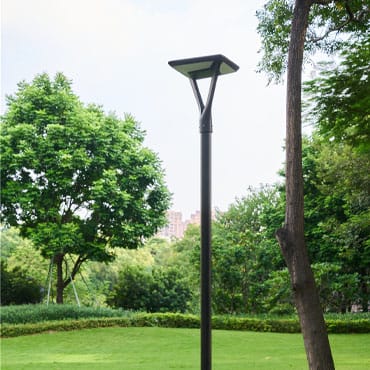
Parks and public spaces demand high aesthetic standards for streetlights or landscape lighting fixtures. Particularly when retrofitting lighting installations, installation flexibility is paramount.
Advantages of Modular Light Poles:
- Can be transported in sections, minimizing disruption to existing landscapes
- Compatible with solar streetlights and garden lights for enhanced energy efficiency
- Small crews can complete installation with straightforward techniques.
- Post-installation maintenance requires no heavy equipment in parks, preventing landscape disruption.
These benefits make them particularly popular in European parks and pedestrian streets.

3. Commercial Areas and Parking Lots
Commercial projects operate on tight schedules.
Shopping centers, business parks, and parking lots often choose modular poles because:
- They enable rapid installation
- Pole height and configuration are standardized
- Large quantities can be deployed efficiently
For contractors, speed equals profit—and modular poles support that.
4. Residential Communities and Public Housing Projects
Most public housing projects feature numerous streetlights and garden lights for illumination. These light poles are abundant, uniformly specified, and demand high safety and stability standards. Post-installation maintenance is typically managed by property management companies.
Advantages of Modular Light Poles:
- Simplified spare parts management and storage
- Minimal technical complexity for repairs
- Reduced replacement costs, ideal for centralized management in large communities
In certain European countries, residential project procurement prioritizes long-term maintenance costs over initial purchase price.

5. Solar Lighting Projects
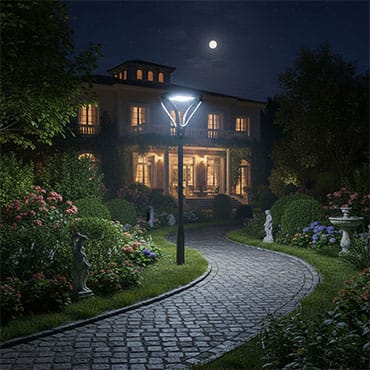
Modular light poles can be paired with solar street lights and solar garden lights for use on urban roads and private gardens. Surveillance modules can be added as needed. For temporary or semi-permanent projects, pairing with solar street lights for illumination offers greater cost-effectiveness and practicality.
Advantages of Choosing Modular Light Poles:
- Solar light poles typically offer adjustable height
- Modular design facilitates export shipping
- On-site installation requires no heavy machinery, enabling rapid setup; some temporary projects eliminate the need for municipal power connections


6. Smart City and Multi-Function Poles
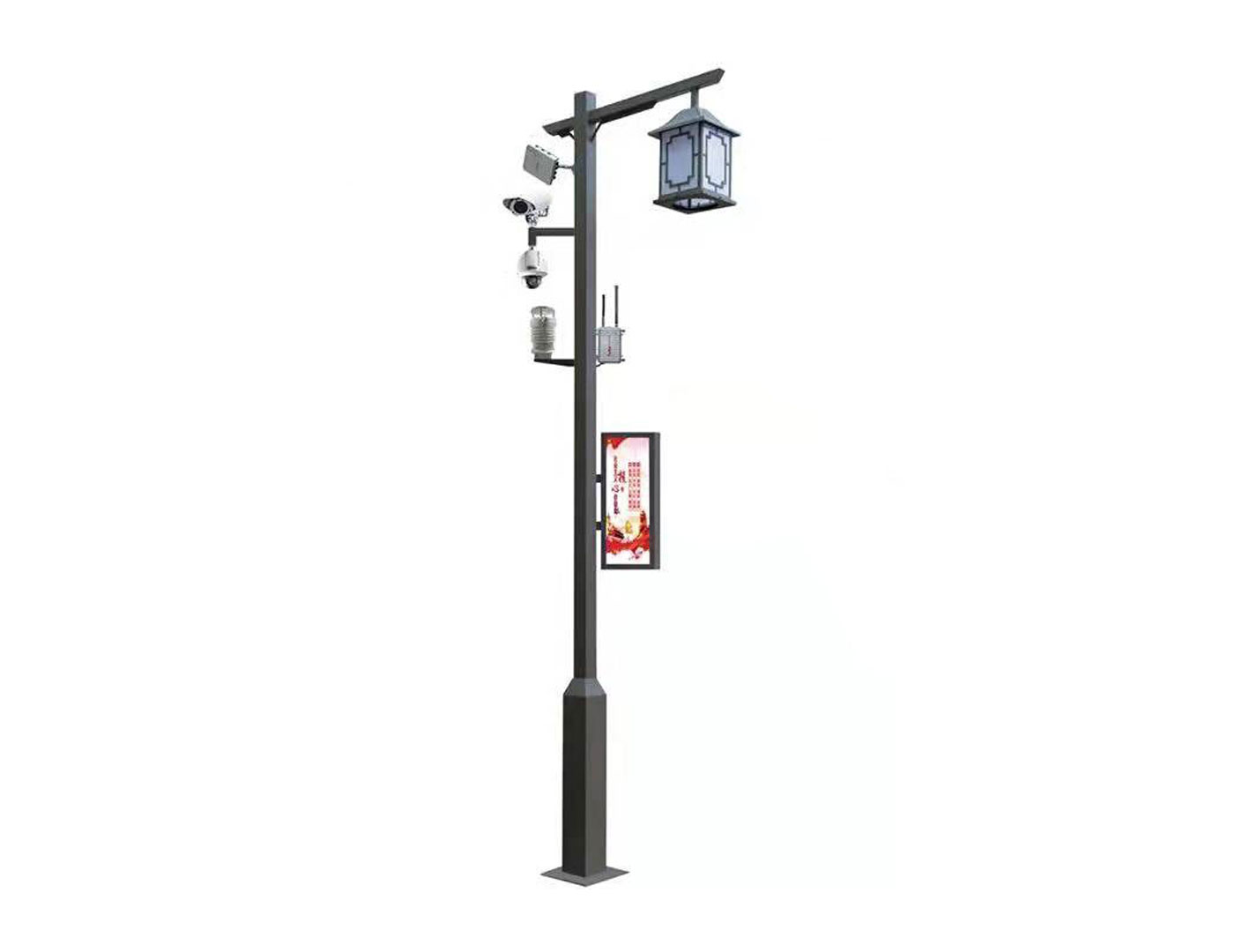
Modern light poles often carry more than just luminaires.
Modular designs support:
- CCTV cameras
- Sensors and signage
- Communication equipment
Upgrades can be performed without replacing the entire structure—an essential feature for smart city infrastructure.
7. Temporary or Phased Infrastructure Projects
Construction zones, development areas, and phased projects often require flexibility.
Modular poles:
- Can be dismantled and reused
- Adapt to changing project stages
- Reduce material waste
This makes them a logical choice in Australia and Canada.
Final Thoughts
In developed countries, the adoption rate of modular light poles continues to rise—not because of new technology, but because it effectively addresses the pain points faced by contractors and investors: high labor costs, demanding technical requirements, complex on-site installation, lengthy installation cycles, and high post-installation maintenance costs. It has become an indispensable component of urban road lighting systems.
As a Chinese manufacturer of modular light poles, NEWSKYPOWER is committed to product upgrades and quality enhancements to better meet the diverse application requirements of developed countries.


