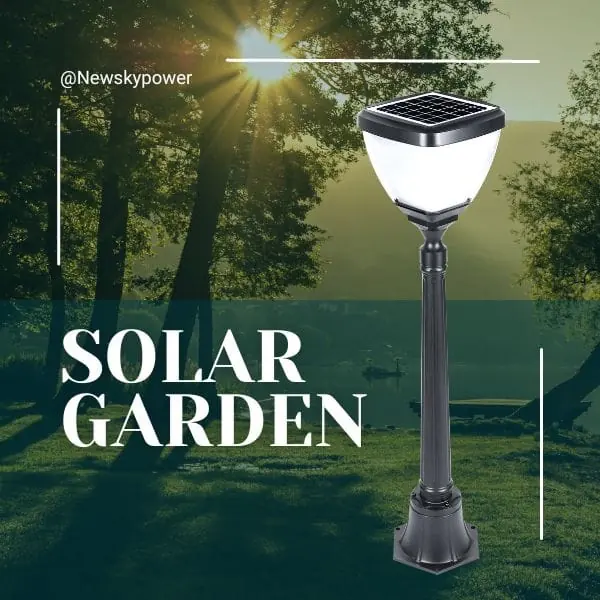


Solar garden lights do not have one universal service life. Their useful years depend on the complete product, its environment, maintenance and available repair support. A shorter night of lighting is a symptom to investigate, not automatic proof that the whole fixture has reached the end of its life.
Start with safe external checks, identify the exact model and find out whether approved battery replacement is supported. If a unit shows swelling, leakage, unusual heat, smoke or a damaged enclosure, stop using it and seek qualified assistance. Do not open, recharge or handle a suspect battery to continue troubleshooting. If there is smoke or fire, keep away and contact local emergency services.
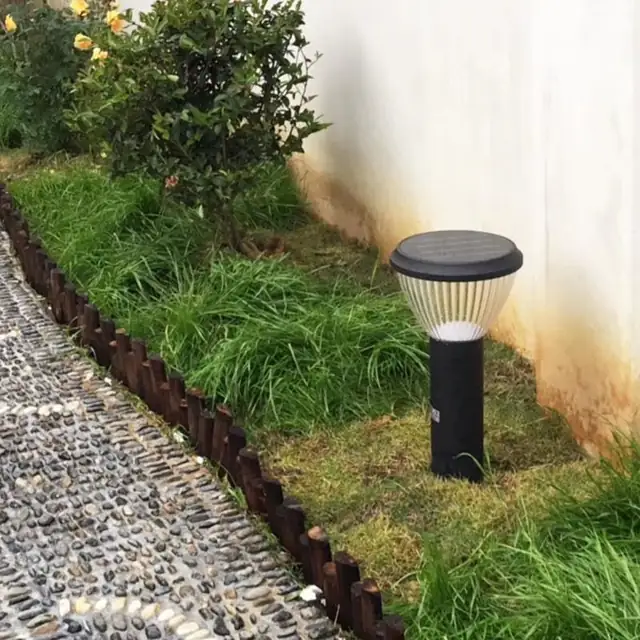
Runtime vs Service Life
Keep hours per night separate from years of use
Runtime describes operation over a period such as one night under stated conditions. Service life concerns how long the product remains useful over repeated use. A claim about one cannot simply be converted into the other.
A fixture that lights for fewer hours may be receiving less solar energy, operating in a different mode or experiencing a component problem. A fixture that still switches on may nevertheless have damaged mounting parts or a deteriorated enclosure that needs attention.
When asking how long solar garden lights last, define the endpoint. Does “last” mean any light is emitted, the original task is still served, the enclosure remains sound, or approved repair is still practical? These are different measures of usefulness.
Distinguish warranty and repair support
Warranty terms, expected performance and parts availability are separate information. Ask for the terms applying to the exact order, but do not treat the warranty period as a promise that every component will fail immediately afterwards or last indefinitely within it.
Likewise, a replaceable battery does not make every part serviceable. Record which repairs are supported and who may carry them out. That is more useful than a generic description such as “maintenance-free”.
Assess Components Separately
A solar light combines generating, storage, control, lighting and structural parts. The complete fixture should be reviewed when making a repair decision, even if the initial complaint is reduced runtime.
Build a component record
| Component or area | External observation or record | What requires model-specific support |
|---|---|---|
| Solar collecting surface | New shade, dirt or visible damage | Cleaning method and replacement provision |
| Battery system | Reported behaviour and externally available identity | Approved pack, access and diagnosis |
| Controller and settings | Selected mode and unexpected changes | Supported reset or service procedure |
| Emitting surface | Dirt, damage or changed visible appearance | Approved cleaning and optical-part replacement |
| Housing and interfaces | Cracks, displaced covers or visible deterioration | Assessment of protection and supported repair |
| Mounting structure | Movement, damage or changed ground conditions | Appropriate installer assessment |
This record prevents a new battery becoming the default answer to every complaint. It also highlights when the housing or support makes continued use inappropriate regardless of the storage component.
Compare the same operating conditions
If the light used to operate in a lower background state and now uses a different mode, a direct comparison of hours can be misleading. Record when settings changed and who changed them.
For a group of fixtures, compare locations and configurations before describing one as defective. A shaded unit and an open unit may have different recent energy collection. A comparison is most useful when you know which conditions differ.
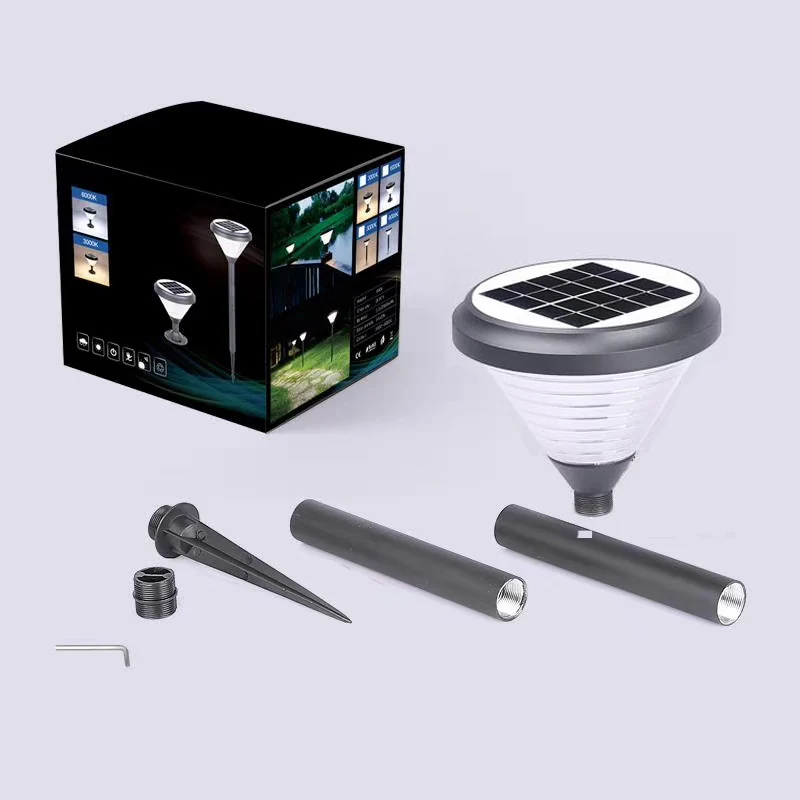
The solar bollard light range can help identify the family, but a service request should use the actual model and label from the supplied unit.
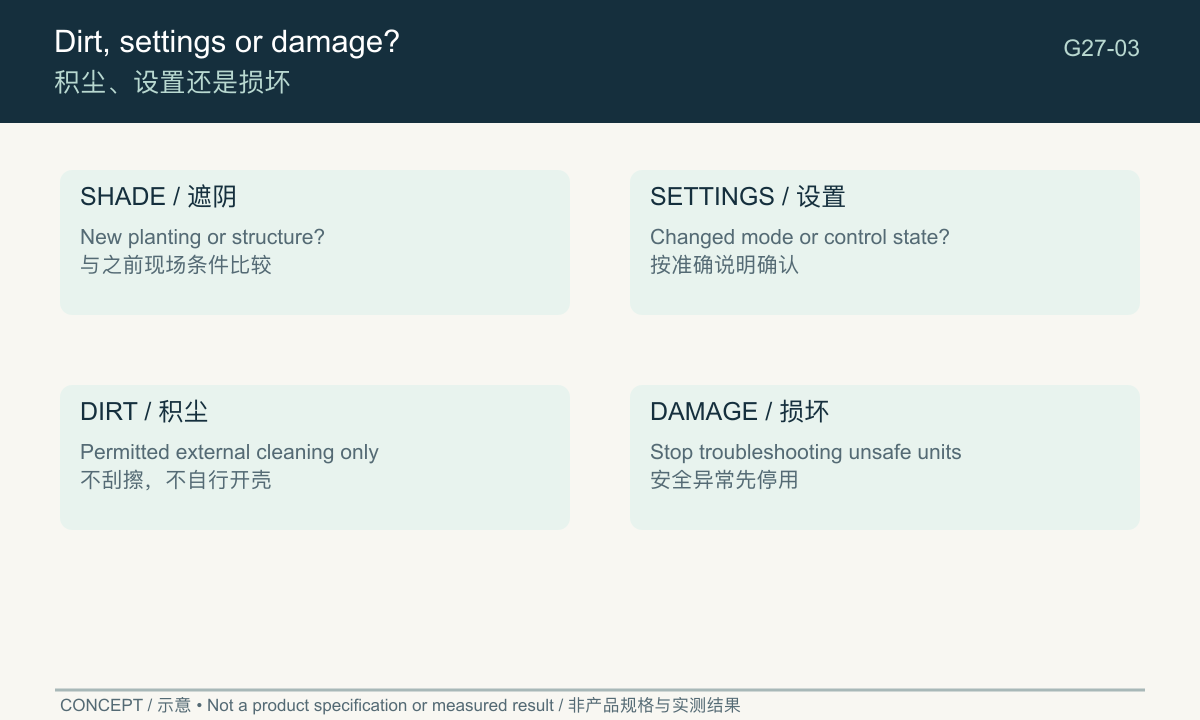
Rule Out Shade, Settings and Dirt First
Begin with non-invasive observations
Check whether nearby plants have grown, an overhang has been added or another object now shades the panel. Record changes in season and recent weather when comparing behaviour, without assuming weather explains every problem.
Inspect the accessible collecting surface for dirt using the manufacturer’s external inspection and cleaning guidance. Do not scrape, use unapproved chemicals or open the enclosure as part of a routine check.
Confirm the selected mode from the exact instructions. If you cannot identify the controls confidently, ask the supplier rather than trying a button sequence from a similar product.
Record a trial instead of relying on memory
After permitted cleaning or a documented setting correction, observe the unit under the instructed preparation and relevant conditions. Record when useful lighting begins, how its state changes and what the symptom is.
“Turns off earlier than the neighbouring unit after several cloudy days” is a more useful description than “battery dead”. It preserves the observation without claiming the cause.
If the symptom persists, send the record to the supplier for the supported diagnostic path. Avoid repeatedly charging or cycling a unit with signs of damage. Safety concerns take priority over completing a comparison.
Is Battery Replacement Supported?
Confirm serviceability before buying a pack
A serviceable battery requires more than visible screws. Ask whether the exact model supports replacement, who is authorised to perform it, which part number is approved and how the enclosure is restored afterwards.
For lithium-ion devices, Singapore’s Consumer Product Safety Office advises using manufacturer-recommended batteries and not using or charging damaged packs. Its battery safety guidance supports treating damage as a stop condition, not an invitation to experiment.
Do not dismantle a sealed pack, combine loose cells or bypass protection. A higher advertised capacity does not make an unrelated pack a suitable upgrade.
Match more than capacity
Use a record-based decision tied to a manufacturer-approved replacement reference. This makes the compatibility conclusion traceable instead of relying on a seller’s generic description of a solar-light battery.
The supplier should confirm chemistry, nominal voltage, approved capacity or energy specification, physical dimensions, connector arrangement, polarity, protection and charging compatibility. Similar appearance or equal mAh is insufficient.
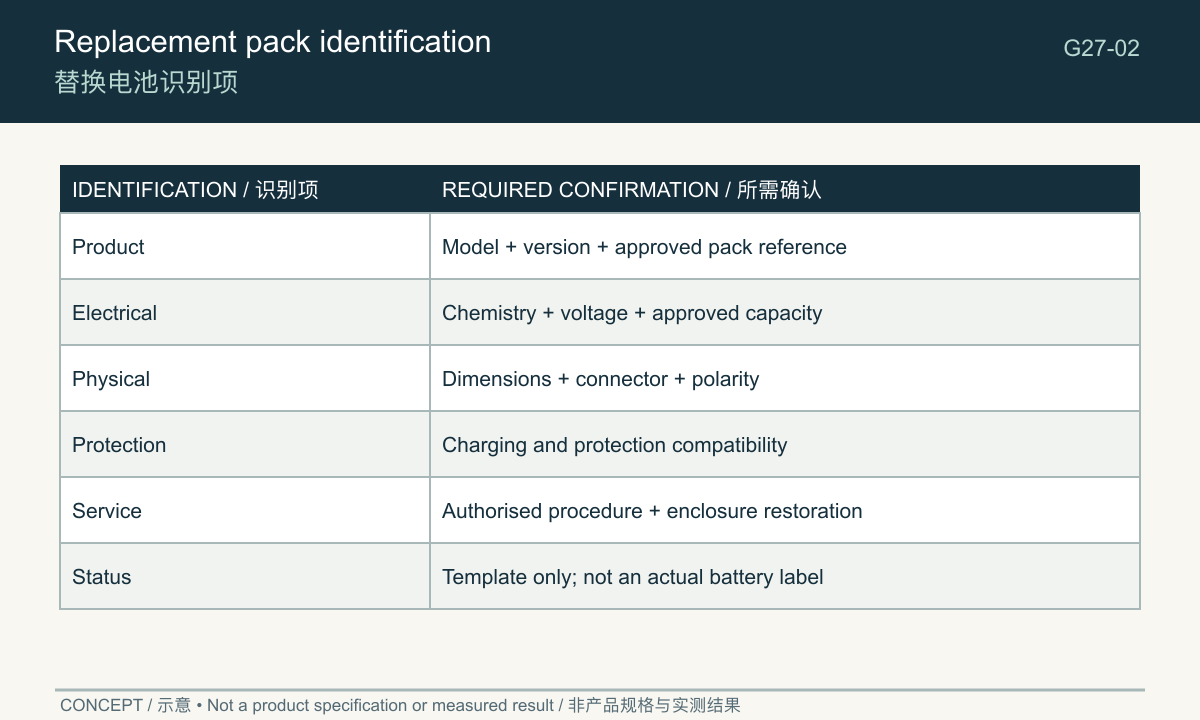
Keep the approved replacement reference with the fixture’s model and version. Where the original label cannot be accessed without opening a sealed enclosure, use the order record or ask for authorised assistance.
A battery chemistry comparison can explain background terminology. It cannot approve a replacement pack for a particular controller.
Decide Between Repair and Whole-Fixture Replacement
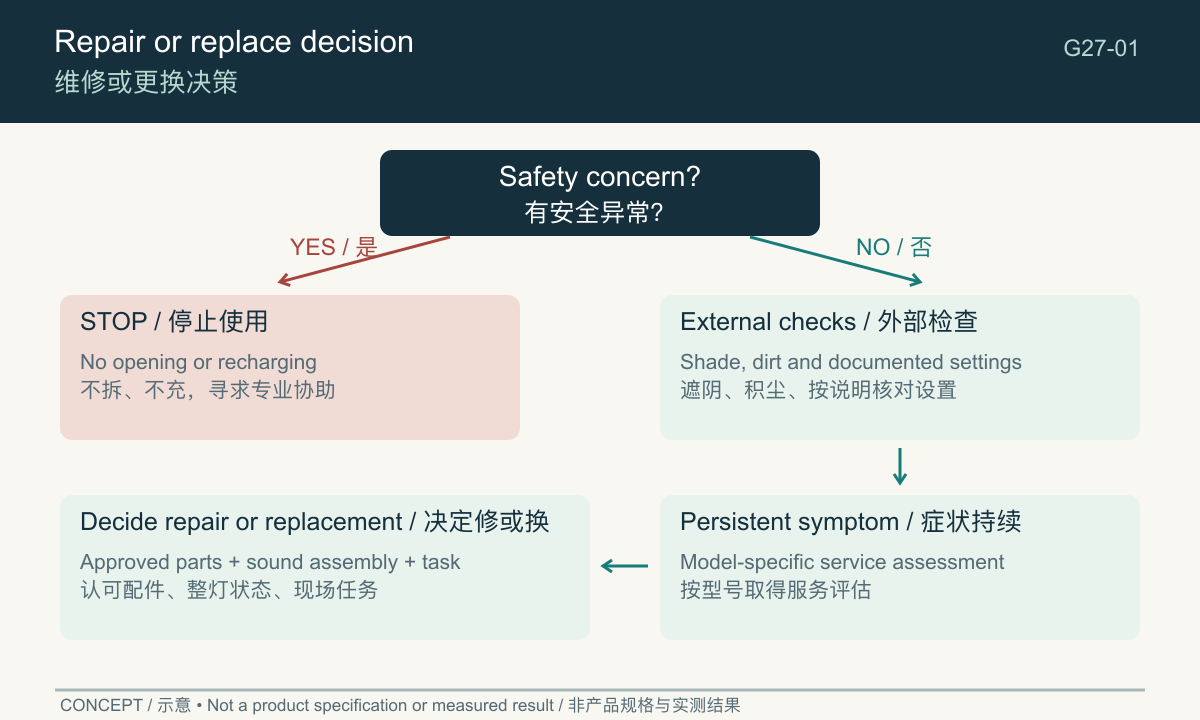
The right decision depends on safety, confirmed compatibility, the condition of the remaining assembly and the practical support available. Do not compare only the price of a battery with the price of a new lamp.
Use a decision table
| Finding | Next step | Avoid |
|---|---|---|
| Swelling, leakage, unusual heat or other safety concern | Stop use and seek qualified handling guidance | Opening, recharging or continuing a trial |
| Changed shade, dirt or setting, without damage signs | Complete permitted external checks and record a new observation | Declaring an internal fault immediately |
| Persistent symptom; diagnosis not established | Request the model-specific service path | Ordering a pack by appearance |
| Approved replaceable component; remaining assembly sound | Compare supported repair scope and total effort | Assuming all components are serviceable |
| Damaged enclosure, unsupported parts or unclear compatibility | Obtain assessment; consider complete replacement | Improvised sealing or electrical modification |
| Product no longer suits the site’s task | Reassess fixture and position | Repeating the original mismatch |
Compare the whole repair effort
Include approved parts, labour, access, restored sealing, disposal and any required post-service checks. Also consider whether the retained fixture still suits the route and the rest of the garden.
Whole-fixture replacement may be more practical when the enclosure is compromised or supported parts are unavailable. Repair may be appropriate when a diagnosed, replaceable component is available and the rest of the unit remains suitable. Neither outcome should be assumed before the evidence is gathered.
Ask the supplier what post-service checks are required and who records them. Returning a lamp to operation should follow the supported procedure, not simply the observation that it lights when a new pack is connected.
For damaged or spent batteries, obtain local approved disposal instructions. Do not put them in general waste or ordinary mixed recycling, and do not treat a damaged battery as a routine parcel to mail back without handling advice.
Keep Maintenance and Service Records
Give each fixture a stable identity
For a row or group, label positions on a simple plan. Record model, version, order date, sample or serial reference where available, location and selected mode. Add the source of the instructions used.
A service history then connects symptoms with actions. Note the date, weather context, observed behaviour, permitted cleaning, setting changes, supplier advice, approved parts and the post-service result.
| Record field | Example of useful information |
|---|---|
| Location | B3 beside the garden bend, matching the plan |
| Symptom | Background state ends earlier than previously observed |
| Changed conditions | New plant growth or a documented mode change |
| External check | What was inspected, without opening the enclosure |
| Supplier response | Reference, date and approved next step |
| Service action | Authorised person, part identity and procedure |
| Return to use | Required checks and recorded result |
The example wording is illustrative, not a reported customer fault. It shows how to give a service provider enough context without pretending to diagnose the internal cause.
Use the record for future purchasing
When comparing replacement fixtures, ask about supported parts, accessible identification and maintenance instructions as well as initial appearance. A clear support route can be a meaningful purchasing criterion even when no exact service-life prediction is available.
If the site itself has changed, revisit the yard lighting selection guide and the role of the fixture. A repair restores a product; it does not necessarily solve a new shading problem or an altered walking route.
Send the supplier the model, location, symptom record and safe external photographs. Ask whether the unit supports an approved repair and what evidence is needed to choose between that repair and replacement.
Frequently asked questions
Can solar garden light batteries be replaced?
Some models support it; others do not. Confirm the exact product, approved pack and authorised procedure before buying parts.
Why does runtime decrease after years of use?
Battery condition is one possible factor, alongside changed solar exposure, settings, dirt and other component issues. Diagnose the recorded symptom rather than assuming one cause.
When should I replace the whole light?
Consider it when the assembly is unsafe, supported repair is unavailable or the fixture no longer suits the task, following the relevant assessment.
For an overview of fixture types, site conditions and selection priorities, see our garden and courtyard lighting guide.