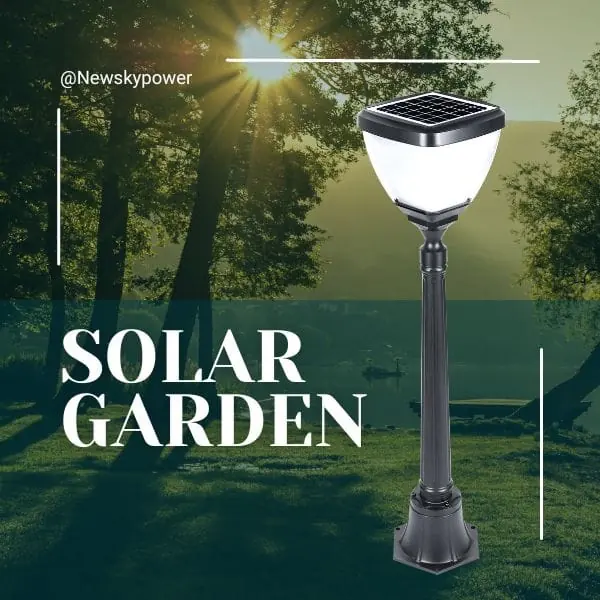


Where grid access is difficult, trenching is costly or electricity is unreliable, standalone solar street lights for rural roads and villages can reduce dependence on external power. Reliability still requires local solar and rainy-season data, an appropriate lighting schedule, transportable poles, foundations matched to the site, maintainable components and a local spare-parts plan. “Off-grid” removes the cable to the utility; it does not remove the need for engineering or maintenance.
Typical Applications
Village streets, school and clinic access roads, markets, farm routes, construction/mining camps, bridges, paths and transport stops may benefit. Start with the solar street light range and then filter by the project’s real constraints.
Prioritize locations by the service they support. A dark clinic entrance, bridge approach or busy market junction may deserve continuous base lighting, while a low-traffic farm track may permit a more aggressive dimming schedule. Map pedestrian movement, motorcycles, livestock, drainage channels and seasonal road access before deciding that all points need the same light.
Community input can identify hazards that a daytime survey misses. Ask where people wait for transport, where children walk, where vehicles leave the road and which routes become inaccessible in rain. Convert this information into ranked locations and measurable lighting tasks rather than a request for “the brightest lamp.”
Main Remote-Project Challenges
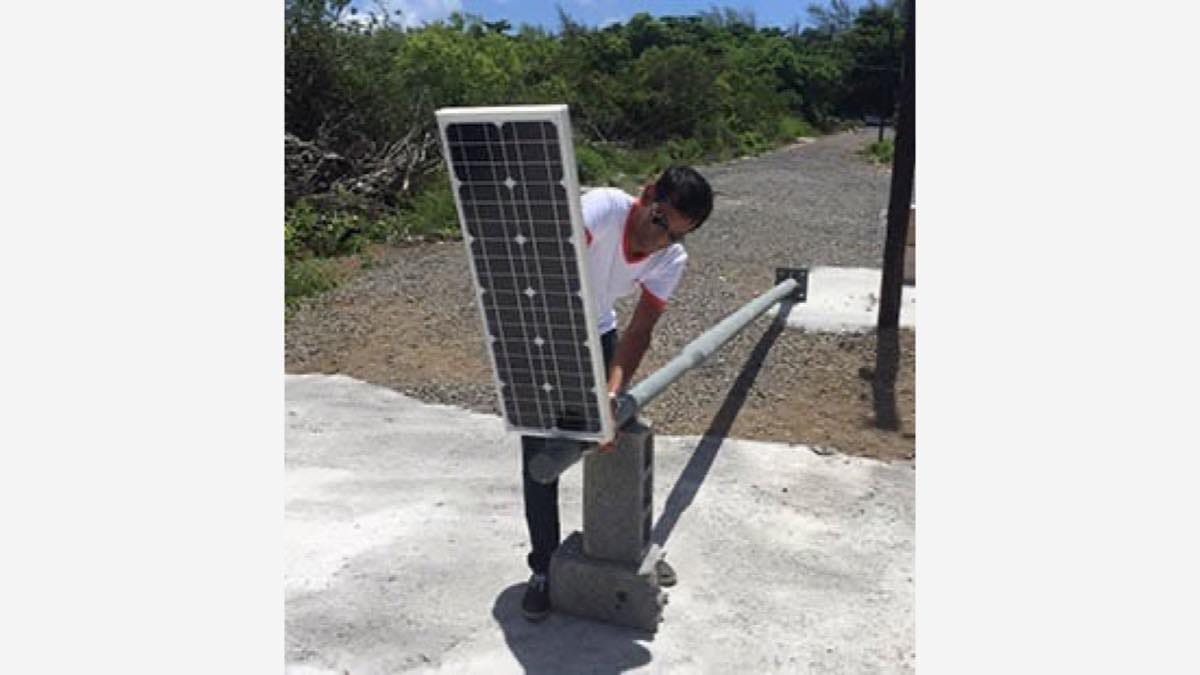
Limited transport, lifting equipment, trained labor and spare parts often matter as much as lamp output. Add difficult terrain, seasonal shade, heat/cold, storms, theft and long supplier lead times. A configuration that is easy to ship and diagnose may deliver more value than one optimized only for the lowest initial price.
Communications may also be limited. Remote monitoring is useful only when the site has a viable network, power budget and someone assigned to respond. Otherwise, clear controller indicators, pole numbering and a simple paper or mobile inspection form may be more dependable. Define who owns each pole and how a fault reaches the maintenance team.
Packaging and transport damage need deliberate planning. Record maximum package length and weight, road/bridge limits, manual handling, storage security and protection from rain before installation. Inspect cartons and components on arrival so shipping damage is not discovered only after a crew reaches the remote site.
Selecting the Architecture
| Architecture | Good fit | Trade-off |
|---|---|---|
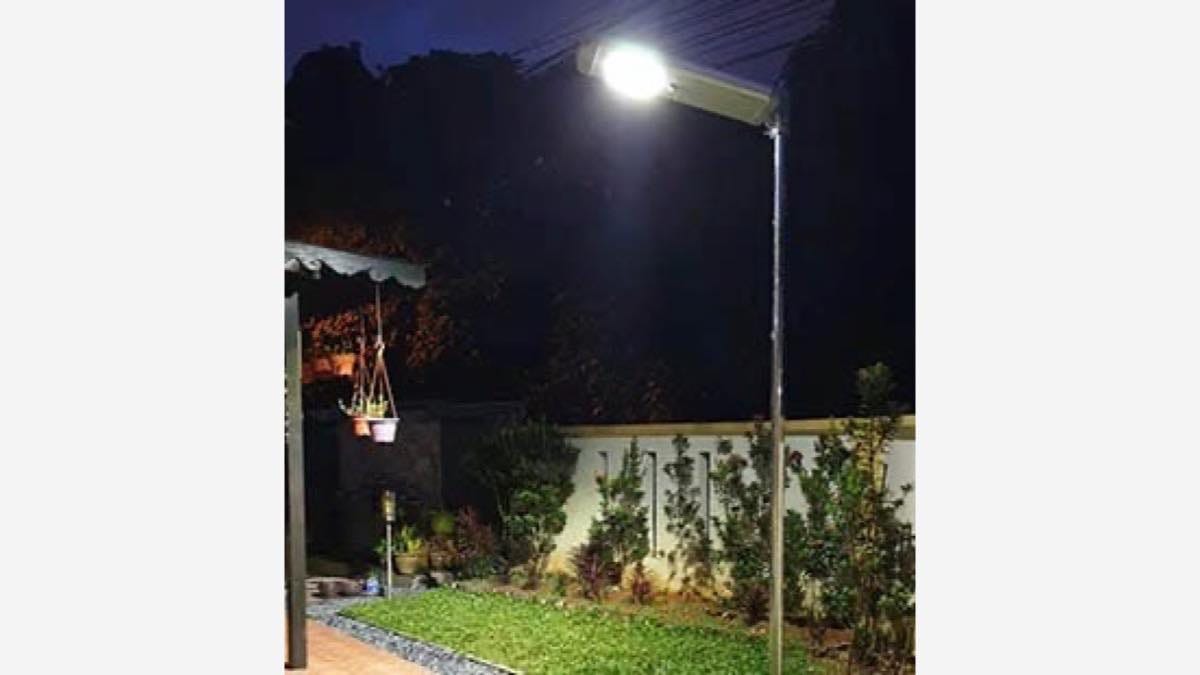
| All-in-one | Fast installation and compact component count | Less freedom for panel direction/capacity |
| All-in-two | Flexible panel aim with moderate field work | Additional bracket and cable |
| Split | Larger/custom energy system and component service | More parts, wiring and installation control |
Sizing for Reliable Rural Operation
Use location-specific irradiation and the weakest relevant season. Define nightly hours, required minimum light, traffic pattern and dimming. Convert the profile to Wh, then size usable battery energy and panel recovery with disclosed losses and margins. The rainy-day autonomy guide explains the required inputs.
Separate the safety requirement from the desired maximum brightness. A project can define a base level that must remain available, plus higher output during early evening or activity. This makes the energy strategy visible and helps prevent a controller program from being changed after delivery without checking battery and panel capacity.
Check microclimates, not only the nearest city. Valleys, mountains, coastal fog, dust and tree cover can change collection at the actual road. Where uncertainty is high, use conservative assumptions and a representative pilot. Do not advertise a number of rainy nights unless the calculation states the load program and starting condition.
Pole, Foundation and Installation Planning
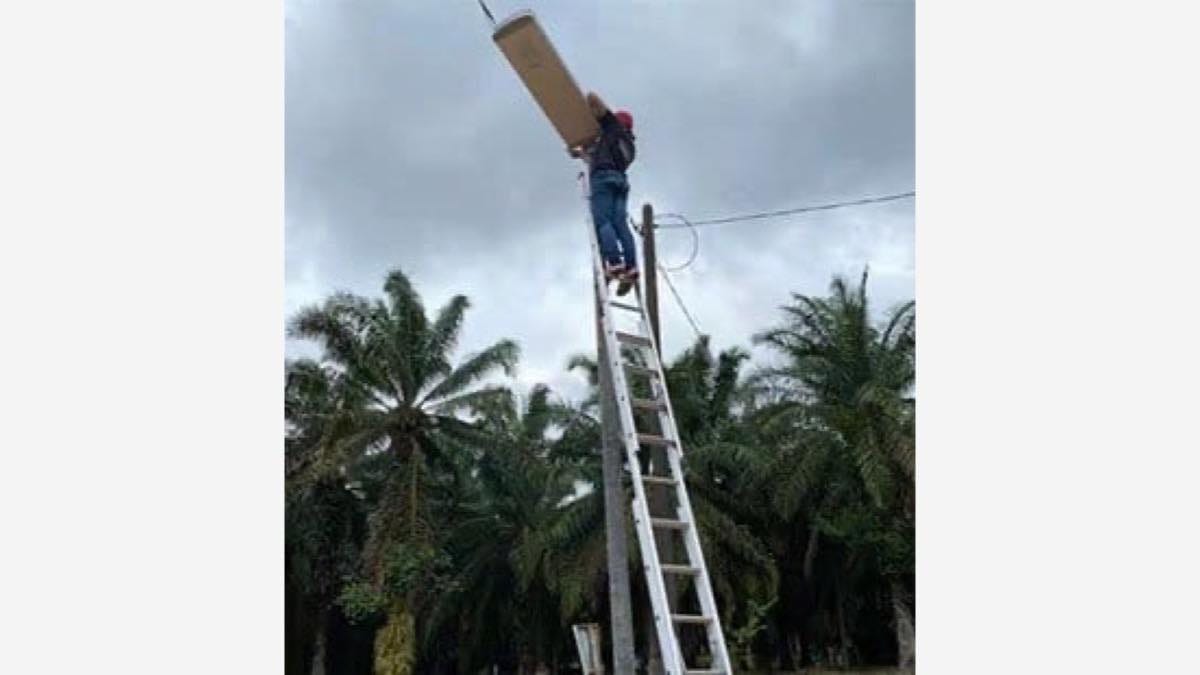
Standardize designs only where soil, wind and geometry are comparable. Long poles may be difficult to transport; modular poles can simplify logistics but still need approved joints, corrosion protection and foundations. Plan tools, training, shade checks, labeling and commissioning. The installation guide provides a field checklist.
Maintenance and Spare Parts
Standardize battery/controller families where practical, keep critical model-matched spares locally, use pole IDs and fault labels, and train workers with illustrated instructions. Record runtime before and after the rainy season. Follow the maintenance guide instead of replacing parts by guesswork.
Choose service levels that the local team can actually perform. Integrated units may be replaced as modules; split systems may allow component tests and replacement. Define safe battery isolation, working-at-height needs, basic meters and tools, and how failed parts return under warranty. Store batteries and electronics under manufacturer-approved conditions.
Create a minimum information kit in the language used by the crew: system diagram, connector map, controller codes, approved settings, spare-part numbers, safety steps and supplier contact route. A short illustrated guide is more useful on site than a long general catalog.
Security and Anti-Theft
Review battery location, tamper-resistant fasteners, pole access, asset markings and community monitoring. Security measures must not prevent safe authorized maintenance. Locally agreed ownership and fault reporting can reduce long periods of unnoticed failure.
Avoid moving components into poorly ventilated or flood-prone spaces merely to hide them. Enclosures and fasteners must preserve thermal, electrical and structural requirements. Record serial numbers and installation coordinates; visible asset marking and community awareness can make unauthorized removal easier to report.
Phased Deployment
Map priority locations, install a representative pilot, collect nighttime feedback, observe low-sun performance, correct the configuration, train the team and then expand. Compare the independent-lighting option with grid extension using the solar-vs-grid cost guide.
Define pilot acceptance before equipment arrives. Criteria may include correct switch-on, programmed hours, minimum lighting performance, structural/installation inspection, charging behavior and absence of repeated protection events. Record weather during the observation period. If the pilot occurs only in the best solar month, keep the weak-season risk open rather than declaring it resolved.
When expanding, freeze the approved configuration and identify any site groups that need a different panel, battery, optic or foundation. Standardization is valuable, but forcing one system onto shaded, wider or higher-priority locations can undermine the project.
What a Useful Case Study Shows
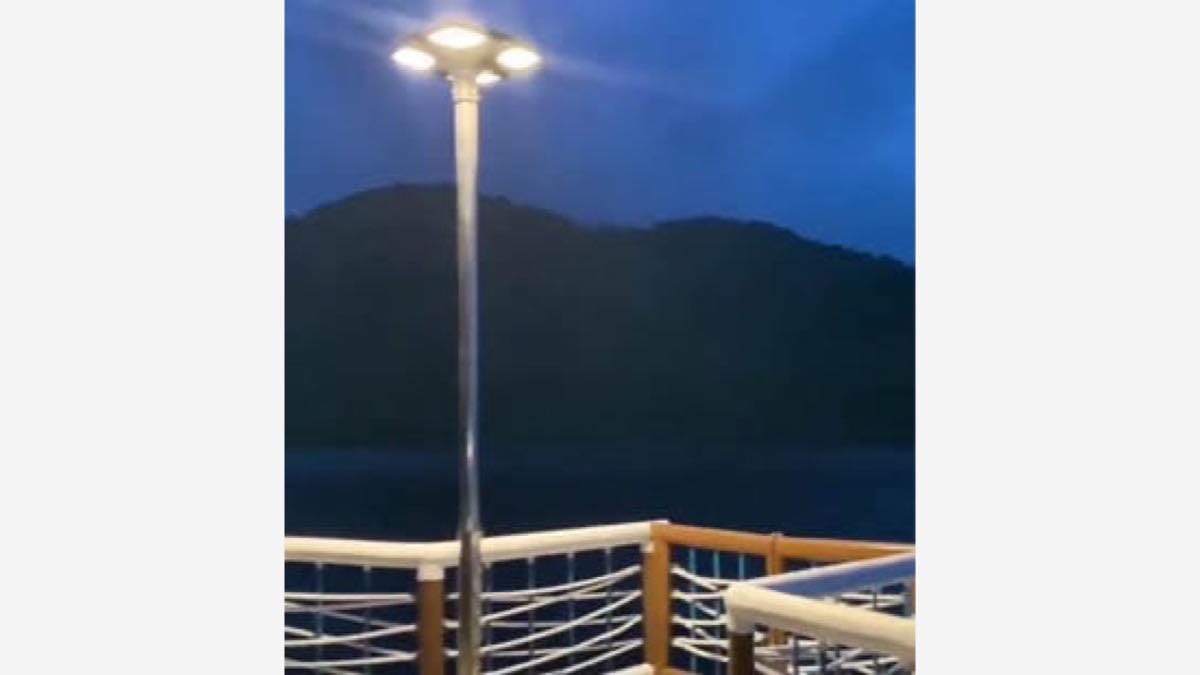
A credible case identifies the original site, design constraints, offered configuration, installation process, measured or clearly described result, observation period and maintenance experience. The South Korea mountain-road project is a relevant site example, not a universal configuration promise.
Photographs should show pole positions, road width, panel exposure and nighttime distribution, not only a close-up of a bright luminaire. If measurements are published, identify the method, locations and operating mode. If only user feedback is available, label it as feedback rather than measured performance.
Procurement Questions for Remote Projects
- Can components and poles be transported with the available vehicles?
- Which tasks need lifting equipment or specialist electrical skills?
- Which settings are factory-programmed, and how are they protected?
- What spares can be stored locally and how long is supplier support?
- What evidence supports panel, battery, optic and enclosure specifications?
- Who trains installers and verifies commissioning?
- How are warranty diagnosis and return logistics handled from the site?
Turn the procurement answers into a responsibility matrix. Identify who surveys, approves foundations, receives and stores equipment, installs, commissions, trains, holds spares and reports faults. Include contact methods that work where internet access is weak. Confirm which documents and labels travel with each shipment. This operating model should be approved with the product configuration; otherwise a suitable light can remain out of service because no party owns the next action.
Review the matrix after the pilot and each expansion phase. Staff, storage locations and transport routes can change, so responsibility planning should remain a maintained project document rather than a one-time tender attachment.
Rural Project Checklist
- ☐ Coordinates, road priorities and rainy season documented
- ☐ Lighting hours and dimming agreed
- ☐ Transport and lifting limits checked
- ☐ Wind, soil, drainage and shade inspected
- ☐ Local installer training and commissioning planned
- ☐ Pole IDs, spare parts and fault-reporting process prepared
- ☐ Pilot acceptance criteria defined before expansion
Frequently Asked Questions
Are solar lights suitable where there is no electricity?
Yes, if solar resource, lighting load, storage and maintenance are designed for that location.
Which type is easiest to install?
All-in-one is often simplest, but panel orientation, capacity and service needs may favor another structure.
Can local workers maintain them?
Yes, with safe procedures, model documentation, training, labels, tools and correct spares.
Are modular poles suitable?
They can improve transport, provided structural connections and foundations are approved for the project.
Request a Rural Lighting Plan
Provide location, road length, priority points, quantity, rainy-season conditions, lighting hours and available installation equipment. Newskypower can use the brief to discuss a phased commercial road-lighting solution.