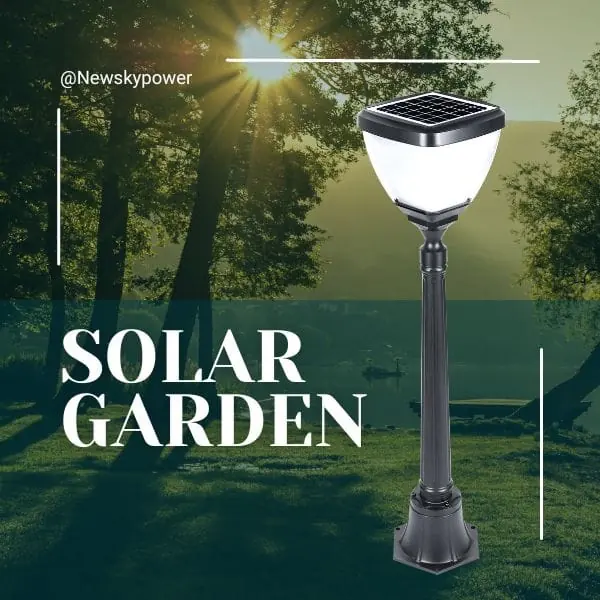


Commercial road lighting is a designed system, not a standalone lamp. A viable proposal must match roadway geometry and lighting criteria with optics, mounting height, pole layout, solar panel, usable battery energy, controller schedule, local solar resource and structural conditions. Commercial solar street lights for road projects should therefore be selected from a project brief and verified calculations—not nominal watts or a copied configuration.
Suitable Road Projects
Solar can be evaluated for municipal, rural and secondary roads, highway access roads, industrial routes, new developments and remote roads without convenient grid access. Main high-speed corridors require especially careful authority review, photometrics, roadside safety and maintenance planning. See Newskypower’s commercial and municipal solar street light categories for product context.
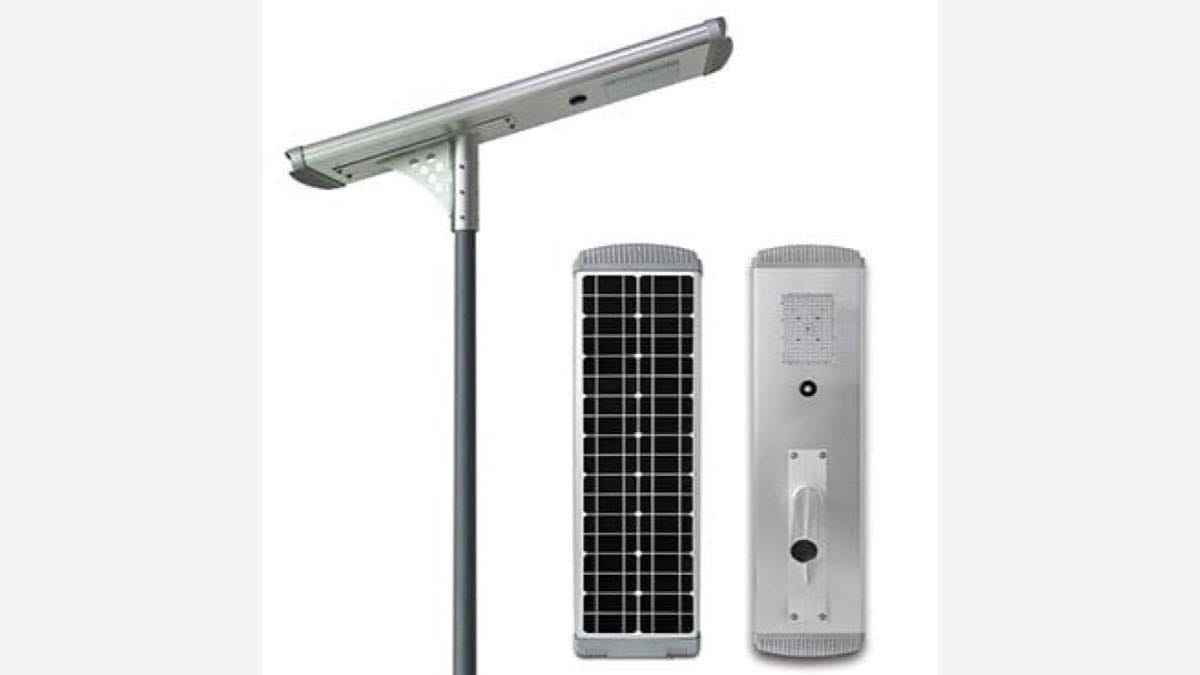
Information Required Before Selection
Collect coordinates, road classification and width, lanes, intersections and pedestrian areas, pole positions and height, target maintained illuminance/uniformity, operating hours, dimming, autonomy target, quantity, schedule, wind/soil/corrosion conditions and applicable tender requirements.
Add a scaled drawing or GIS plan whenever possible. Show medians, shoulders, curves, bridges, trees, overhead lines, nearby buildings and existing utilities. Photographs help explain the site but cannot replace dimensions. If the owner has not set lighting criteria, the design team should identify the applicable local authority or project standard rather than allowing a product supplier to invent a target.
Separate mandatory requirements from preferences. A required mounting height, pole setback or color temperature may constrain optics and energy use. Optional remote monitoring, motion sensing or camera loads should be priced and calculated separately so their effect remains visible.
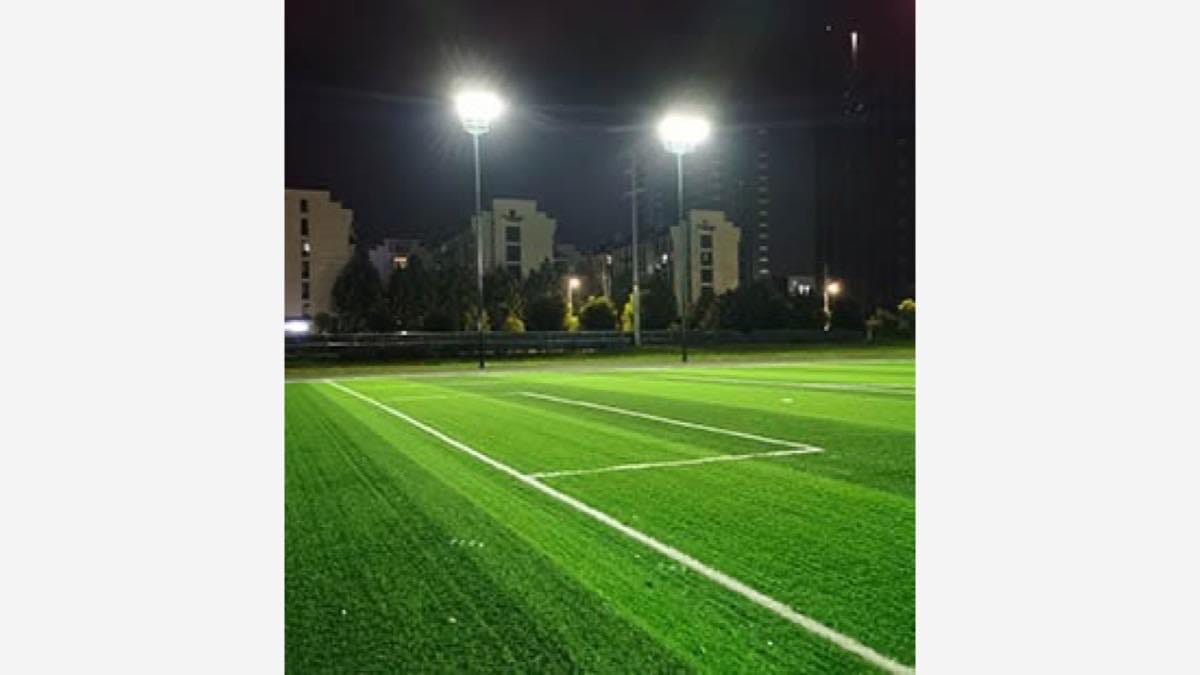
Lighting Performance Requirements
Illuminance alone is insufficient. Verify minimum and average values, uniformity, glare, optical distribution, spill light and visual comfort under the project’s applicable guidance. A DIALux or equivalent model must use the offered product’s IES/LDT file. The lumens and wattage guide explains why advertised power cannot replace photometrics.
The calculation model should reproduce road width, pole setback, mounting height, arm length, tilt and surface assumptions. Review calculation points along curves, intersections and pedestrian conflict areas instead of relying only on a straight typical section. State whether results are initial or maintained and identify all light-loss factors.
Color temperature should be selected with owner policy, visibility, environmental context and product performance in mind. A higher Kelvin number is not automatically safer. Glare control and useful optical delivery may matter more than increasing total lumens.
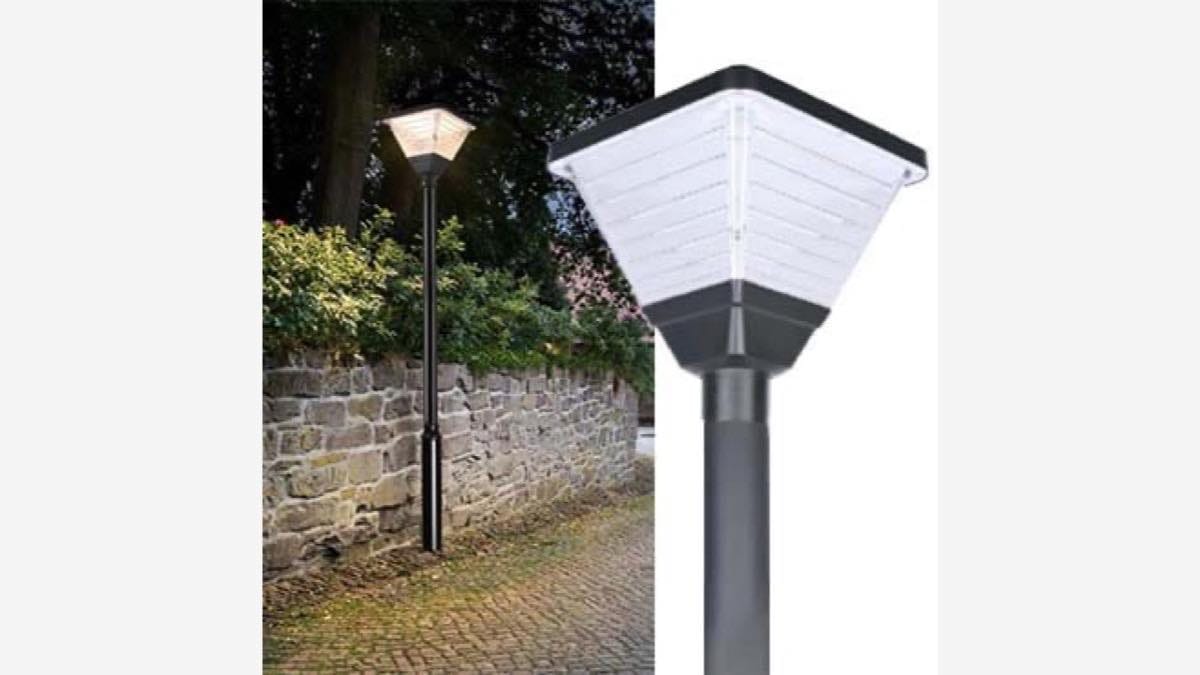
Choosing the Architecture
| Architecture | Strength | Check carefully |
|---|---|---|
| All-in-one | Fast standardized installation | Panel orientation, integrated capacity, service access |
| All-in-two | Separate panel orientation with fewer major modules | Cable protection and mounting balance |
| Split | Flexible panel, battery and lamp sizing | More field wiring and component coordination |
Architecture affects logistics as well as energy. An integrated unit can reduce cartons and field connections, while a large panel on the luminaire may increase lifting and orientation constraints. Separated equipment can simplify component replacement but requires secure enclosures and protected cable routes. Compare installation equipment, pole-top weight, wind area, anti-theft design and the skill level of the maintenance team.
Do not assume one architecture is always “commercial grade.” Commercial suitability comes from verified components, configuration, protection, structural coordination, documentation and support. The same basic structure can be engineered well or poorly.
Panel, Battery and Controller Configuration
Use the design month’s local irradiation, actual hourly LED load, system losses, usable battery Wh, temperature effects, autonomy and recovery requirements. Record whether backup uses full or dimmed output. MPPT or PWM labels alone do not prove performance; controller limits and tested compatibility matter. Review the cloudy-day autonomy guide.
The calculation should show energy demand by hour, not only “12 hours lighting.” A schedule of 100% output for the entire night has different storage requirements from staged dimming. Include standby and accessory loads where material. State panel orientation and tilt, battery voltage and Wh, permitted depth of discharge, efficiency assumptions and the expected recovery basis after poor weather.
For cold or hot sites, check manufacturer limits and controller protection. Battery nameplate capacity should not be treated as fully usable under every condition. If the system deliberately reduces power to protect itself, define the minimum service level that remains acceptable to the owner.
Pole Height, Spacing and Foundation
Select single-side, staggered or opposite layouts from road geometry and photometrics. Foundation engineering must reflect pole loads, panel wind area, soil and local structural rules. Coastal or industrial sites also need suitable materials and corrosion protection. Use the installation guide for implementation inputs.
Coordinate roadside safety and maintenance access before fixing pole locations. Setbacks, clear zones, barriers, drainage and utility conflicts can move a pole away from its photometrically ideal location. The lighting calculation should then be updated rather than assuming the original result still applies.
Pole and foundation drawings should identify material, sections, joints, base plate, anchors, bracket loads, coatings and design inputs. A foundation depth copied from a catalog cannot account for weak soil, groundwater or local wind. Where modular poles are considered, include connection inspection and erection procedure.
Standards and Documents
Request a model-specific specification, IES/LDT file, DIALux report, relevant electrical/battery and enclosure test evidence, pole/foundation drawings, warranty terms and spare-parts policy. Apply only standards required by the destination country, owner and tender; do not list unrelated certifications as universally mandatory.
Trace every document to the offered configuration. Model names, input power, optic, battery, panel and controller program should agree across quotation, drawings and reports. Ask for document revision numbers and a controlled final schedule. A certificate for a product family does not automatically cover every modified component or rating; the buyer should review its scope.
The warranty should state covered components, remedy, exclusions, claim evidence and logistics responsibilities. Define availability of batteries, controllers, connectors, LED modules and programming support. For public projects, handover documents and training can be as important as the headline warranty period.

Procurement and Quality Control
Review the technical proposal, verify a sample, run a pilot where risk justifies it, freeze the production specification, inspect before shipment, check batch consistency, and plan installation/commissioning support. Relevant experience may be reviewed in the project case library, but every new site needs its own inputs.
During sample review, compare measured power, programmed modes, component identification, mechanical fit, connectors and the supplied photometric file. A pilot should use representative pole height and road geometry and, where feasible, observe the difficult operating season. Agree acceptance criteria before the pilot begins.
For production, use an approved bill of materials or specification schedule and manage substitutions formally. Pre-shipment inspection can sample appearance, labeling, functions, charging/control behavior, quantities, packaging and agreed documents. Record serial or batch identification so later faults can be traced.
Installation, Commissioning and Handover
Approve foundations and underground conditions before delivery where possible. Test key electrical functions on the ground, then inspect panel direction, pole verticality, fastener completion and cable protection after erection. At night, verify light distribution, programmed output and any acceptance measurements.
Handover should include as-built pole positions, configuration files, manuals, drawings, test evidence, spare-parts list, warranty contacts and maintenance responsibilities. Train the operating team to recognize normal dimming versus low-energy protection so expected behavior is not reported as a fault.
Evaluating Technical Proposals Side by Side
Create a compliance table before comparing price. For each bidder, record deviations in lighting criteria, pole layout, actual LED load, optic, panel watts, battery voltage/Wh, usable limits, controller program, autonomy assumptions, foundation scope and documents. A blank field is not compliance; request clarification and preserve the final answer in the contract schedule.
Normalize marketing terms. “150 W,” “three rainy days,” “smart controller” and “high-efficiency panel” have little procurement value without definitions and evidence. Convert battery ratings to Wh, compare programmed LED demand by hour and identify whether backup uses full or reduced output. Confirm that DIALux files use the same optic and power as the quotation.
Assess delivery capability: production lead time, inspection points, packaging, pole logistics, local installation support, programming control and spare-part availability. Large projects may require staged, traceable deliveries so site feedback can be incorporated without silently changing the approved configuration.
Pilot Project Decision Gate
A pilot is valuable when it tests unfamiliar climate, difficult geometry, new architecture, high quantity or demanding authority criteria. Choose a representative location and define observation period, measurements, weather records, controller data and responsibilities before installation. Afterward issue a written decision: accept, accept with defined corrections, or redesign and retest. Changes to optic, height, spacing, panel, battery or program require the technical package to be updated before mass production.
Commercial review should distinguish factory capability from evidence for the offered product. Manufacturing experience and quality systems support confidence, but acceptance still depends on the exact bill of materials, model tests, inspection results and project calculations. Require approved substitutions and traceability. At contract close, confirm who controls the final controller program and how site staff can restore it after service. This prevents configuration drift across a long roadway.
Use the same controlled product name and revision across drawings, cartons, manuals, inspection sheets and spare-parts lists. This document discipline reduces receiving errors and makes later maintenance evidence easier to compare.
Common Procurement Mistakes
- Buying by nominal watts
- Omitting coordinates and design month
- Accepting photometrics for another luminaire
- Leaving the dimming profile undefined
- Comparing Ah without voltage
- Ignoring poles, foundations, spares and commissioning
Road Project RFQ Checklist
| Buyer provides | Supplier returns |
|---|---|
| Location, road drawings and classification | Proposed layout and system architecture |
| Lighting and operating requirements | IES/LDT and photometric report |
| Wind, soil and corrosion conditions | Pole/foundation design inputs |
| Quantity, schedule and tender rules | Model-specific specification, documents and warranty |
| Autonomy target | Energy balance with disclosed assumptions |
Frequently Asked Questions
Are solar street lights suitable for highways?
They may suit selected highway-related locations, subject to authority criteria, photometric, structural and maintenance approval.
How are commercial systems sized?
Optical design establishes the load; local solar resource, schedule and autonomy then size storage and generation.
Should a municipality start with a pilot?
A pilot is useful where site risk, new suppliers or large quantities justify validating assumptions before rollout.
Request a Road Lighting Proposal
Upload the drawings and provide location, width, lanes, pole height/spacing, quantity, lighting criteria, hours and autonomy target. Newskypower can return a project-specific proposal for technical review.