


Introduction: Why Solar Street Lights Are Becoming the Global Standard
With the growing global energy shortage and environmental demands, the need to integrate renewable energy and sustainable development into urban infrastructure has become increasingly urgent. Solar street lights have rapidly become the preferred choice for road lighting, industrial parks, residential areas, and public spaces.
Unlike traditional streetlights, solar street lights offer advantages such as energy savings, cost efficiency, ease of installation, environmental safety, and stable reliability—particularly in areas with limited or expensive power supplies.
In this guide, we’ll explain how solar street lights work, how to choose the right model, price factors, applications, and how to select a reliable manufacturer—helping buyers avoid common mistakes.


What Is a Solar Street Light and How Does It Work?
1. First, let’s clarify: What is a solar street light?
Solar street lights are outdoor lighting fixtures that operate independently of municipal power grids, relying solely on solar energy. They are primarily suited for roads, parks, rural areas, scenic spots, and similar settings, offering energy efficiency, environmental friendliness, and flexible installation. Unlike traditional street lights requiring wiring and electrical connections, they function even in remote areas without grid coverage. With zero electricity costs and zero carbon emissions throughout their entire lifecycle, their total cost of ownership is significantly lower than that of conventional street lights.
2. Solar Street Light Operation Process
The entire process is divided into two stages: daytime power generation and energy storage, followed by nighttime discharge and illumination.
- Daytime (Power Generation + Storage, No Illumination)
When sunlight is abundant, solar photovoltaic panels absorb sunlight and convert solar energy into direct current (DC).
The DC power is transmitted to the smart controller, which first filters unstable currents before delivering the energy to the storage battery.
The battery continuously stores the energy, with the controller monitoring the charge level in real time. Once fully charged, it automatically disconnects the charging circuit to prevent overcharging and battery damage (a critical protective function).
During strong daylight, the controller automatically turns off the LED fixtures to avoid wasting energy.
- Nighttime / Cloudy Days (Discharge + Lighting, Auto Start/Stop)
As light dims at dusk (illuminance falls below a set threshold), the controller detects this and automatically activates discharge mode.
The storage battery releases stored energy, which is stabilized by the controller before being delivered to the LED light source, illuminating the fixture.
Nighttime dimming adjusts as needed: High brightness is maintained during peak foot traffic in the early night; automatically dims during low-traffic late night (saving 30%-50% energy). Also supports microwave/infrared sensors (instantly brightens upon proximity of people/vehicles, returns to low brightness upon departure).
At dawn, as light levels rise, the controller automatically shuts off the lights, stops discharging, and switches back to daytime charging mode, repeating the cycle.
- Additional feature:
Solar street lights can be optionally equipped with motion sensors, which automatically increase brightness when movement is detected, thereby enhancing safety and saving energy.
Types of Solar Street Lights
There are several common types used in global projects:
1. All-in-One Solar Street Light
Integrated design with panel, battery, controller, and LED in one housing. Easy installation and clean appearance.

2. Split Solar Street Light
Solar panel separated from the lamp head. Offers better performance in areas with limited sunlight or shading.
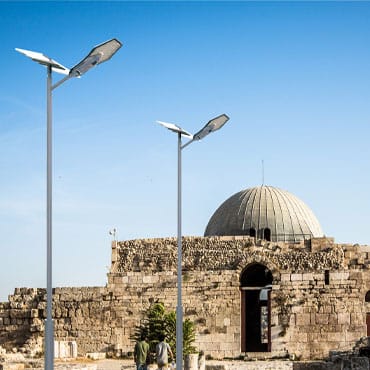
3. Integrated Commercial Solar Street Light
Designed for commercial and municipal projects, featuring higher lumen output, larger batteries, and stronger structures.
👉 For a full range of models, visit our
Solar street light solutions
Key Components of a Solar Street Light
Solar street lights consist of five core components:
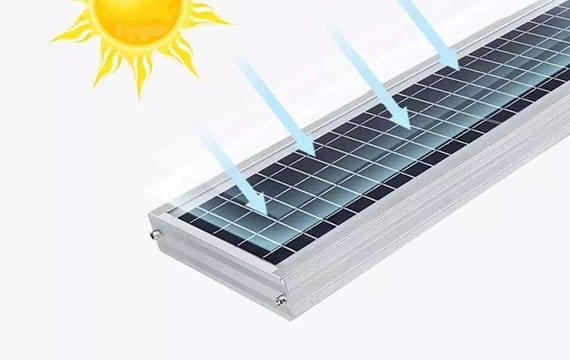
1. Solar photovoltaic panel (power generation core)
Typically made of monocrystalline or polycrystalline silicon, it absorbs sunlight and converts solar energy into electricity. Current conversion efficiency reaches 22%-25%, with higher output under stronger sunlight. Separate units can be independently mounted atop or on the side of light poles, featuring adjustable angles for optimal alignment with regional sunlight patterns.
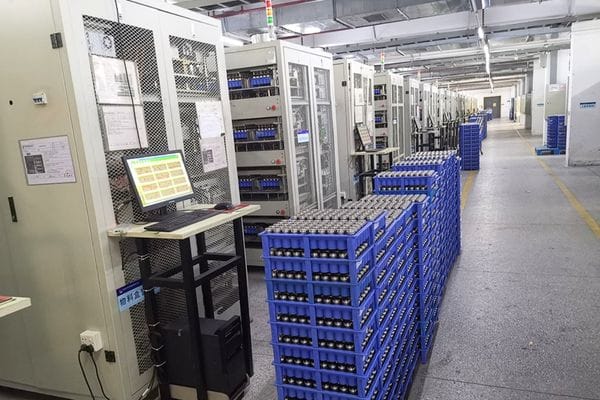
2. Energy Storage (Core Power Storage)
Mainstream lithium iron phosphate batteries store electricity generated by panels during daylight for nighttime illumination. With a cycle life exceeding 5,000 cycles, they last 5-8 years and sustain operation through 3-7 consecutive days of cloudy/rainy weather. Separate batteries can be placed independently (e.g., at the base of the pole or underground), ensuring safety and easy replacement.
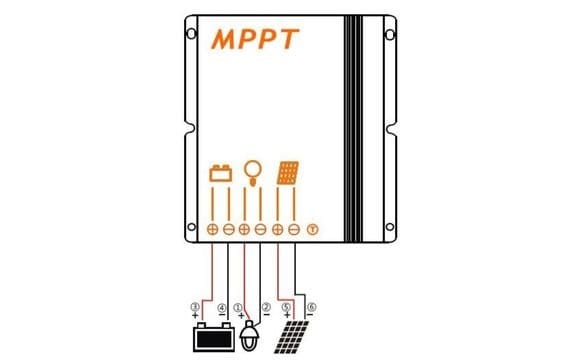
3. Smart (Core Brain)
The “command center” of the solar streetl ight, managing power generation, storage, and consumption while protecting equipment: During daylight, it controls solar panels to charge the battery, preventing overcharging. At night, it detects decreasing light levels and automatically activates the lamp to discharge, preventing deep discharge damage to the battery. It also features dimming and sensing functions (brightening when people or vehicles approach, dimming when they move away).
4. LED Light Source (Illumination Core)
The light-emitting component delivers luminous efficacy of 100-150lm/W (twice that of traditional high-pressure sodium lamps). It features low energy consumption, extended lifespan (10-15 years), and brightness adjustable via the controller to suit varying time-of-day requirements.
5. Housing: Die-cast aluminum enhances heat dissipation and durability.
How to Choose the Right Solar Street Light
Selecting the right solar street light follows a three-step logic: define the scenario → verify configuration → choose structure. This approach prevents both overpaying for unnecessary features and settling for inadequate performance.
Define the Core Scenario First
The scenario dictates core requirements like power, height, and endurance. Clarify these three key points before selecting the model to ensure precision and avoid pitfalls:
1. Identify the usage scenario (determines basic configuration)
- Main roads / rural highways: Require high brightness and long endurance. Choose split-type units with 30-150W power and 6-12m poles.
- Residential areas/courtyards/alleys: Require soft lighting. Choose integrated or semi-split units with 5-30W power and 3-6m poles.
- Scenic areas / Squares (landscape + lighting): Requires high brightness + dimmability. Choose split-type, 20-80W power, 4-8m poles, optional colored light sources
- Remote areas / Off-grid: Requires ultra-long endurance. Choose a split-type + high-capacity battery, supporting 5-7 days of continuous rainy weather
- Emergency / Temporary scenarios: Requires portability. Select an integrated portable model with a power of 20-50W, movable installation
2. Define installation environment (determines compatibility)
- Areas with ample sunlight: Prioritize polycrystalline silicon PV panels for high cost-effectiveness; moderate battery capacity selection
- Areas with insufficient sunlight or high rainfall: Prefer monocrystalline silicon PV panels paired with high-capacity batteries
- Cold regions (temperate zones): Opt for ternary lithium batteries (-30°C operational)
- Hot regions (tropical zones): Select high-temperature-resistant lithium iron phosphate batteries; choose PV panels with anti-temperature-degradation features
3. Define lighting requirements (determines power and control methods)
- Continuous overnight lighting: High-power panels + large-capacity batteries
- Time-segmented lighting (day-night cycle): Timer-controlled + light-sensing models for energy savings
- Low-traffic areas (e.g., rural paths): Light-sensing + motion-activated models with brightness switching for doubled runtime
Verify 3 Core Components
Solar panels, batteries, and light sources form the “heart” of solar streetlights, directly determining lifespan and illumination quality. Follow standards to avoid pitfalls
1. Solar Panel Selection (Power Generation Core: Sufficiency Depends on This)
Focus on material + power rating, matching battery and light source. Formula: Solar panel power ≥ Light source power × 1.2~1.5 (ensures sufficient charging)
- Priority choice: Monocrystalline silicon (22%-25% efficiency), suitable for regions with insufficient sunlight or frequent overcast days, compatible with most areas.
- Cost-effective choice: Polycrystalline silicon (18%-20% efficiency), only suitable for regions with abundant sunlight.
Critical reminder: Solar panel power must not be lower than light source power, otherwise daytime charging will be insufficient, resulting in short nighttime illumination duration.
2. Battery Selection
Preferred: Lithium Iron Phosphate (LiFePO4) Battery
- Cycle life: 5000+ cycles (5-8 years service life), maintenance-free
- Wide temperature range: -30°C to 60°C, fire-safe, meets international safety standards
- Endurance: 3-7 days of cloudy/rainy weather (select based on local rainfall frequency: 7 days for high rainfall, 3 days for low rainfall)
Key Formula: Battery Capacity ≥ Light Source Power × Lighting Duration × 1.3 (accounting for losses)
3 . Light Source Selection (Core of illumination; brightness depends on this)
- Mandatory: LED light sources. Phase out sodium lamps/metal halide lamps. Global standard. Focus on 3 key parameters
- Light source type: Pure LED (100-150 lm/W luminous efficacy, low energy consumption, 10-15 year lifespan, excellent color rendering)
4. Power matching: Determined by application; higher power isn’t always better
- 3-6m poles: 5-30W
- 6-8m poles: 30-60W
- 8-12m poles: 60-150W
Additional Requirements:
- Landscape applications may add RGB color lighting
- Roadways prefer warm white light (3000K-4000K, glare-free)
Selecting Luminaire Structure:
Choose based on application and procurement needs
1. Preferred Option: Modular Solar Street Lights
- Suitable for: All mid-to-high-end applications, extended runtime requirements
- Advantages: Easy transport (compact disassembled size reduces logistics costs), flexible installation (adjustable solar panel angle), convenient maintenance (individual component replacement), compatible with modular poles
2. Cost-effective option: Integrated solar street lights
- Suitable for: Courtyards, alleys, low-budget scenarios
- Advantages: Quick installation, low cost (1 person, 1 hour)
- Disadvantages: Slightly inferior endurance and lifespan compared to split-type systems
Solar Street Light Price and Cost Breakdown
The price of a solar street light depends on:
- Solar panel size and efficiency
- Battery type and capacity
- LED lumen output
- Housing material and protection level
- Smart functions and certifications
A lower upfront price does not always mean lower total cost when maintenance and lifespan are considered.
Detailed cost analysis is explained in our article:
Solar Street Light Price Explained
Applications of Solar Street Lighting Projects
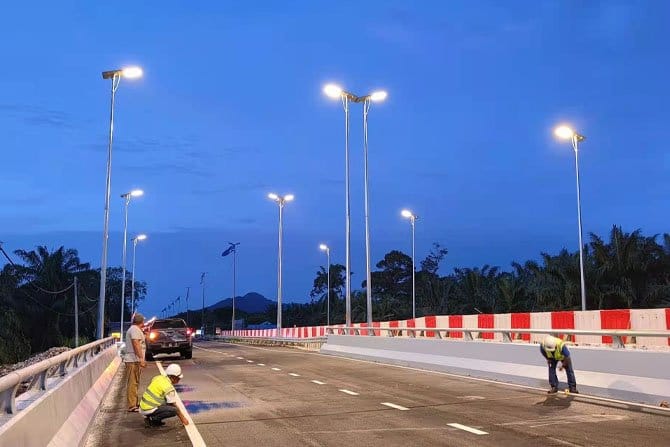
- Municipal Engineering for Urban Arterial Roads
- Highway Lighting Systems
- School, Parking Lot, and Community Lighting Systems
- Commercial Project Lighting Engineering
- Rural Street Lighting
- Factory and Industrial Park Lighting Engineering
- Park Lighting Engineering
- Farm Lighting Installations
Their flexibility makes them suitable for both small installations and large-scale municipal projects.
Common Problems and Solutions
Common issues raised by buyers include:
- Solar street lights are failing to illuminate all night
- Insufficient brightness
- Significant battery capacity degradation after 1-2 years
- Failure to illuminate during cloudy or rainy weather
These issues are usually caused by undersized batteries, exaggerated specifications, or poor component quality—not solar technology itself.
How to Choose a Reliable Solar Street Light Manufacturer
A trustworthy manufacturer should provide:
- Real performance data and test reports
- Clear battery and panel specifications
- Long-term warranty and technical support
- Experience in OEM & ODM projects
As a professional solar street light manufacturer, NEWSKYPOWER focuses on durable materials, reliable batteries, and stable long-term performance.
Conclusion
Choosing the right solar street light requires careful consideration of brightness, battery capacity, installation environment, and long-term reliability.
If you want to explore this topic further, you may find these guides helpful:
- What is the difference between integrated and semi-integrated solar street lights?
- How to extend the service life of the solar street light battery?
- Major Factors Affecting the Lifespan of Solar Street Lights.
Looking for a professional solar street light manufacturer?
Visit our solar street light solutions page to see high-performance models designed for commercial and municipal projects:
👉 Solar Street Light by NEWSKYPOWER


