


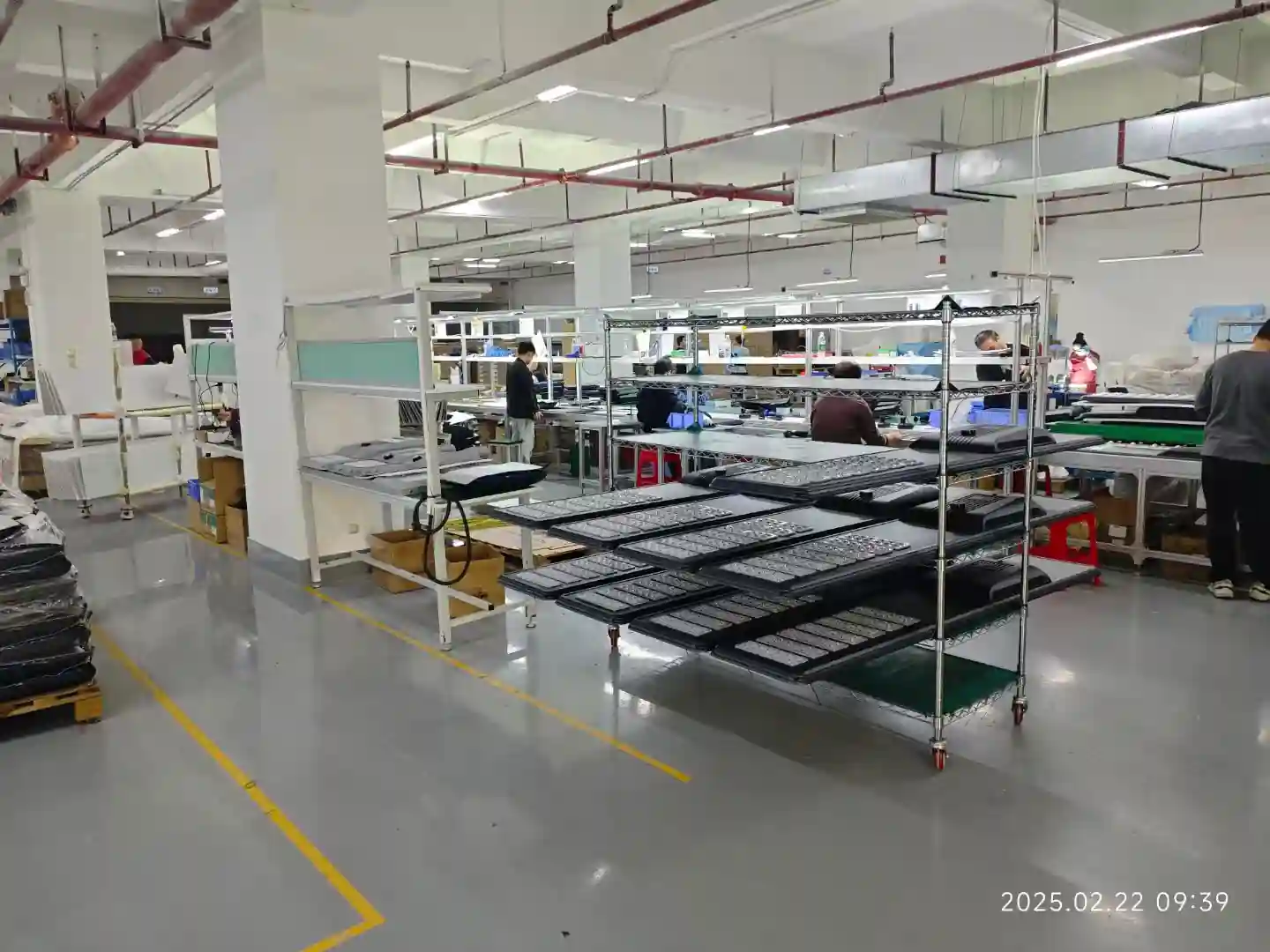
Compare Solar LED Street Light Models for Your Project
Choosing a solar LED street light starts with the area you need to illuminate. A road, a residential access lane and a landscaped courtyard can require different light distribution, mounting arrangements and operating schedules.
NEWSKYPOWER offers all-in-one solar street light models and semi-integrated designs with separate solar panels, alongside decorative pole-top options. Compare each series by its actual LED output, battery and panel configuration, available controls and installation requirements. Select a model first, then confirm the configuration for your site.
Use the two product groups below to build a shortlist. For the broader range and manufacturing overview, visit our solar street light catalogue.
Solar LED Street Lights for Roads and Access Areas
Compare integrated and separate-panel series for road and access-area lighting. Review the actual light output, mounting arrangement and control options for the selected model. Camera-equipped versions are identified separately in the product titles.
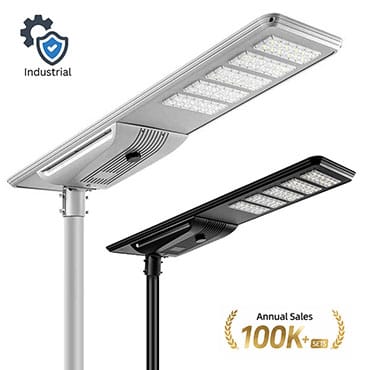
Rated LED power options from 30W to 120W, LiFePO4 battery storage and MPPT control. Compare the selected configuration for roads and commercial projects.
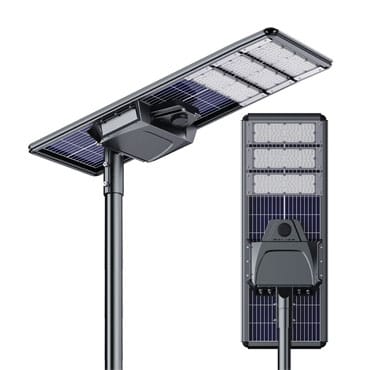
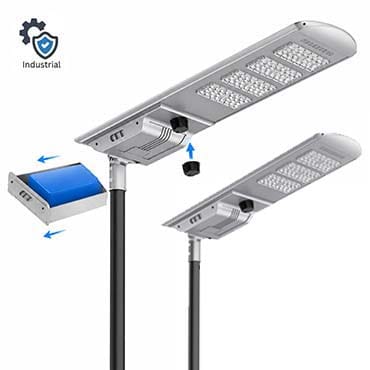
Industrial all-in-one series with SMD5050 LED modules, a die-cast aluminum housing, LiFePO4 battery and MPPT control. Match the selected output and mounting arrangement to the project.

Separate solar panel with integrated lamp-head components.
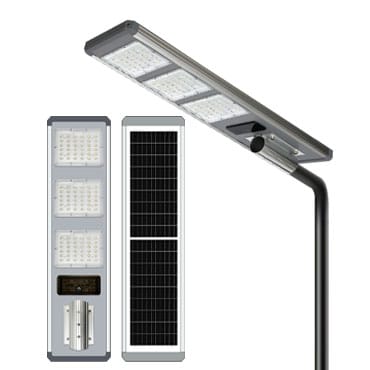
Compare JD-H model configurations for your lighting schedule.
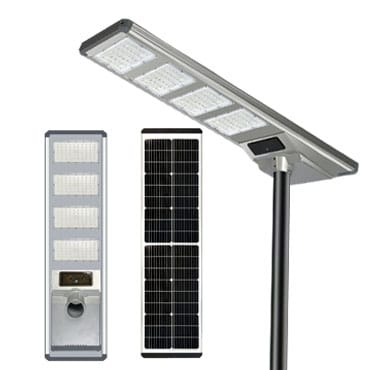
Compare JD-S model configurations and mounting requirements.

Compare constant-lighting, radar and combined operating modes.

Camera-equipped series; confirm communication and lighting requirements.

Separate-panel layout with radar sensing and remote-control options.
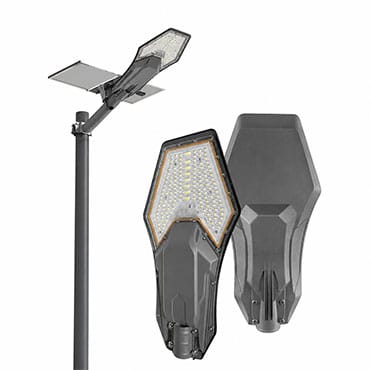
Separate-panel series with 4800–10800 lm output, 45–110W mono solar panels and LiFePO4 batteries. The 400W–1200W designations are nominal model labels, not rated LED power.


Compare MJ-SSTH model specifications and operating modes.
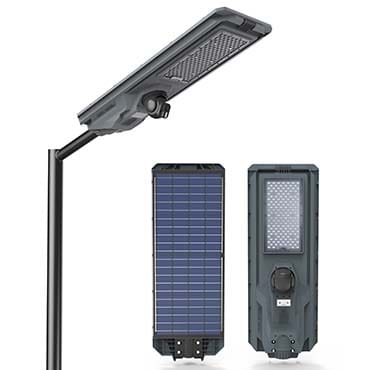
Camera-equipped series for combined lighting and monitoring requirements.

Compare MJ-LH9 series control and installation options.
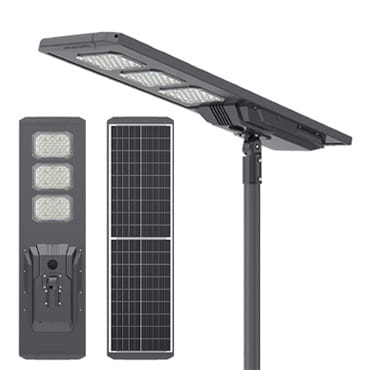
Integrated residential series with 4000–10000 lm output, mono solar panels and LiFePO4 batteries. Compare SS-100W to SS-500W nominal model configurations.
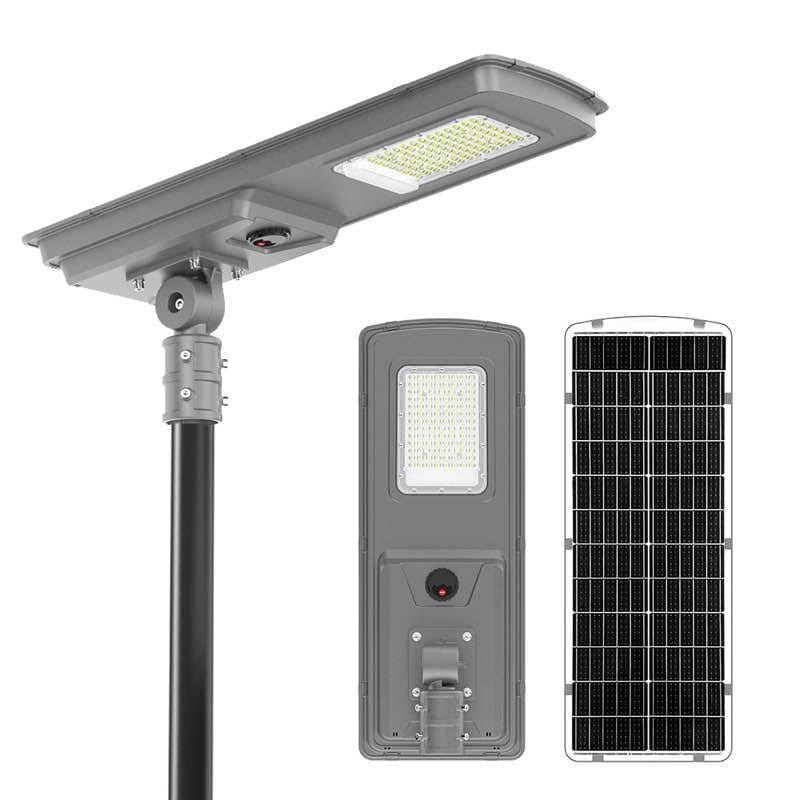
Integrated series for residential access roads, yards and outdoor paths. Rated lighting power 20–30W, light output 3,200–4,800 lm, LiFePO4 battery and radar sensing. QH01-200/300/400 are nominal model names.
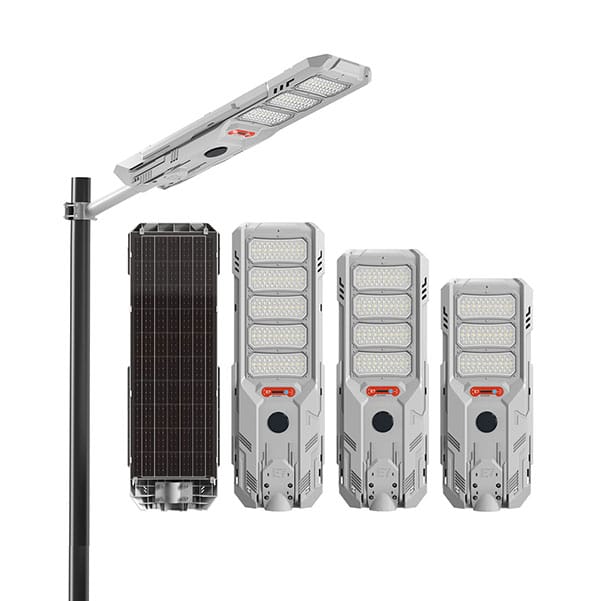
Integrated optical-lens series for residential roads and outdoor access areas. Light output 2,436–3,926 lm, 35–45W monocrystalline solar panels, LiFePO4 batteries and radar sensing. E7-300T/400T/500T are nominal model names.
Solar LED Pole-Top Lights for Courtyards and Landscaped Areas
Explore MJ-EW and SCL series for courtyard and landscaped-area projects where appearance and surrounding space are part of the selection. Compare fixture shape, light distribution and available light-color options. Roadway use requires a separate assessment of the lighting layout.

Pole-top UFO design with model-specific light-color controls.

Compare fixture shape and model-specific lighting options.

Compare fixture shape and model-specific lighting options.

Compare fixture shape and model-specific lighting options.

Compare fixture shape and model-specific lighting options.
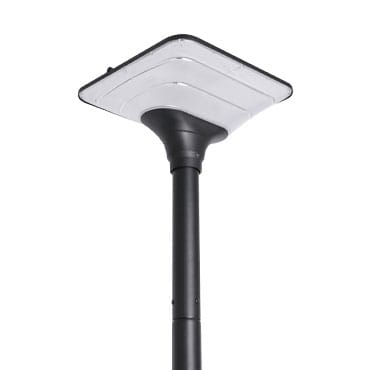
Compare fixture shape and model-specific lighting options.

Compare fixture shape and model-specific lighting options.

Compare fixture shape and model-specific lighting options.

Compare fixture shape and model-specific lighting options.

Compare fixture shape and model-specific lighting options.

Compare fixture shape and model-specific lighting options.

Compare fixture shape and model-specific lighting options.
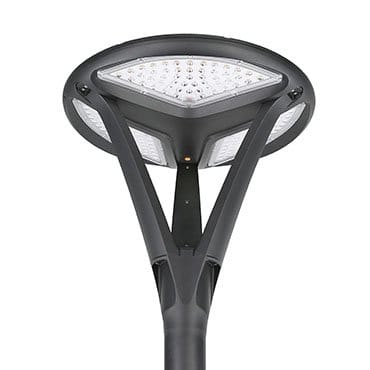
Compare fixture shape and model-specific lighting options.

Compare fixture shape and model-specific lighting options.

Three-head courtyard design; compare the exact model specification.

Six-head courtyard design; compare the exact model specification.

Three-head courtyard design; compare the exact model specification.

Six-head courtyard design; compare the exact model specification.
 Commercial Solar Street Lights
- Residential Solar Street Lights
- Municipal Solar Street Lights


How to Compare Solar LED Street Lights
Start with Useful Light Output
Compare delivered lumens and light distribution alongside rated LED power. The beam must suit the road width, pole height and spacing. A larger number in a model name does not, by itself, establish better illumination. For a practical explanation, read our solar street light lumens and wattage guide.
Choose an Integrated or Separate-Panel Layout
LKH and MJ-SSO provide all-in-one options. NF and MJ-XJ9 use separate solar panels, allowing panel orientation to be considered independently from the lamp head. Compare the mounting arrangement and available sunlight before choosing a structure. See our semi-integrated solar street light range for separate-panel model comparisons.
Match the Battery and Solar Panel to the Schedule
For a solar street light with battery, compare battery voltage and capacity together with panel output and the intended nightly lighting profile. LiFePO4 configurations are available in series such as LKH and NF. Capacity, charging conditions and the dimming schedule determine the configuration needed for your project; one runtime figure should not be applied to every model.
Compare Motion Sensing, Remote Control and Constant Lighting
A solar street light with motion sensor can change output when activity is detected, while a constant-lighting setting serves a different operating requirement. MJ-SSO and MJ-XJ9 offer control options to compare; remote-control functions depend on the selected version. Explore solar street lights with motion sensors when sensing is a project priority.
Select the Light Color and Installation Arrangement
Specify the required warm-white or cool-white appearance and confirm availability for the selected model. For pole-mounted solar LED street lights, supply the pole height, mounting interface, road width and spacing. For landscaped areas, also consider fixture proportions and nearby pedestrian spaces. These details help narrow the range before requesting a quotation.
Professional Solar LED Street Light Manufacturer in China - Newskypower


Solar LED Street Lights Projects Gallery
- Commercial Solar Street Lights
- Municipal Solar Street Lights
- Residential Solar Street Light


Compare These Solar LED Street Light Series
Solar LED Street Light FAQs
Start with the site location, road or area width, mounting height, pole spacing and nightly lighting schedule. Shortlist a series by its light distribution, structure and controls, then confirm the battery and panel configuration.
No. Actual LED input power, delivered lumens and optical distribution must be compared together. A model label may describe a product class rather than measured power. Compare the specification for the exact model and its operating setting.
An all-in-one design combines the panel and lighting components in one fixture arrangement. An all-in-two or semi-integrated design uses a separate panel, with the battery and controller integrated into the lamp head. The separate panel offers more freedom to orient it toward sunlight.
Motion sensing suits an operating plan that allows output to change with activity. Constant lighting suits periods when steady illumination is required. Confirm the available modes, minimum light level and sensing behavior for the selected model before ordering.
Dusk-to-dawn describes an operating schedule, not a guarantee of full brightness throughout every night. The selected battery, panel, local sunlight and dimming profile must support that schedule. State the hours and brightness profile you require when requesting a recommendation.
Compare voltage and amp-hours together, or convert them to watt-hours by multiplying volts by amp-hours. Then review usable energy and the nightly lighting demand. Also compare panel capacity and charging conditions rather than judging runtime from battery capacity alone.
No. Remote-control functions and light-color options vary by series and version. State whether you need remote mode selection, warm white or cool white, and ask for the matching model specification. Do not assume that a feature shown on one product is standard across the range.
Send your preferred models, quantity, site location, road dimensions, pole height and spacing, required lighting hours and delivery destination. Include any drawings or project specifications. For a breakdown of configuration and supply scope, review our solar street light price and quotation guide.